Supreme Court Deliberates on Legality of Geofence Warrants and Privacy Implications
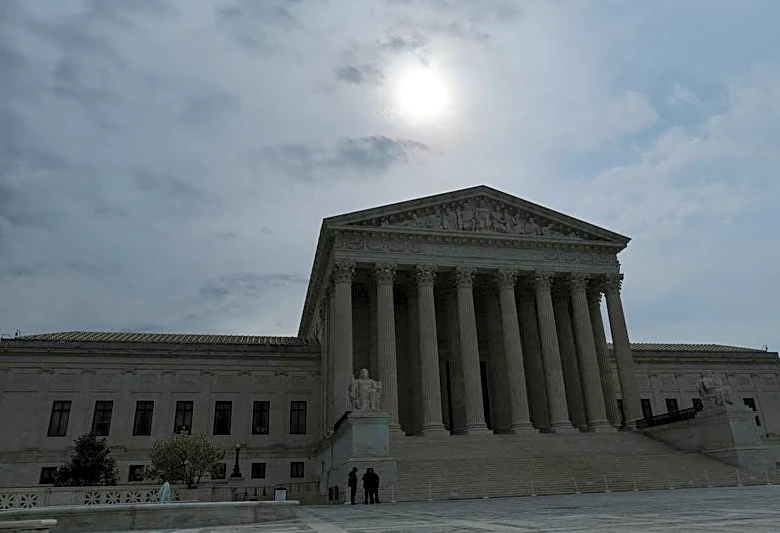
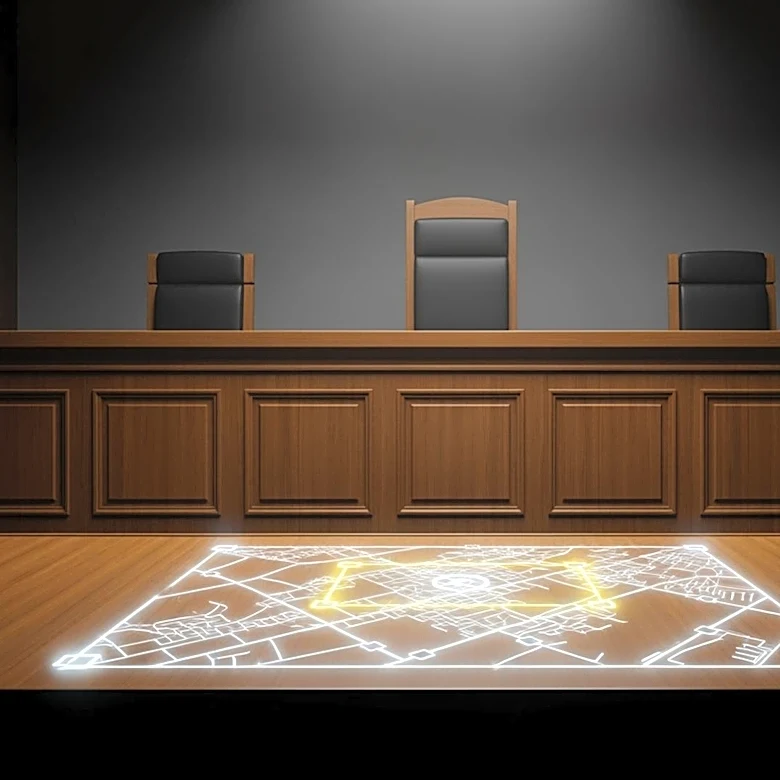
The U.S. Supreme Court is currently deliberating on the legality of geofence warrants, which involve compelling companies like Alphabet Inc.'s Google to share geographic mobile data. This case, Chatrie v. United States, centers around Okello Chatrie, who was convicted of a 2019 robbery in Virginia. Law enforcement used a geofence warrant to obtain location data from Google, which was initially anonymized, to identify Chatrie. The justices are examining whether such warrants constitute an unlawful search under the Fourth Amendment, which protects against unreasonable searches and seizures. During the hearing, justices expressed difficulty in determining how geofence warrants compare to traditional searches, such as those of physical spaces like hotels or storage lockers. The case raises questions about privacy expectations in the digital age, especially concerning data voluntarily shared with tech companies.