Lone Star Tick Transmits Multiple Diseases, Posing Diverse Health Risks in the U.S.
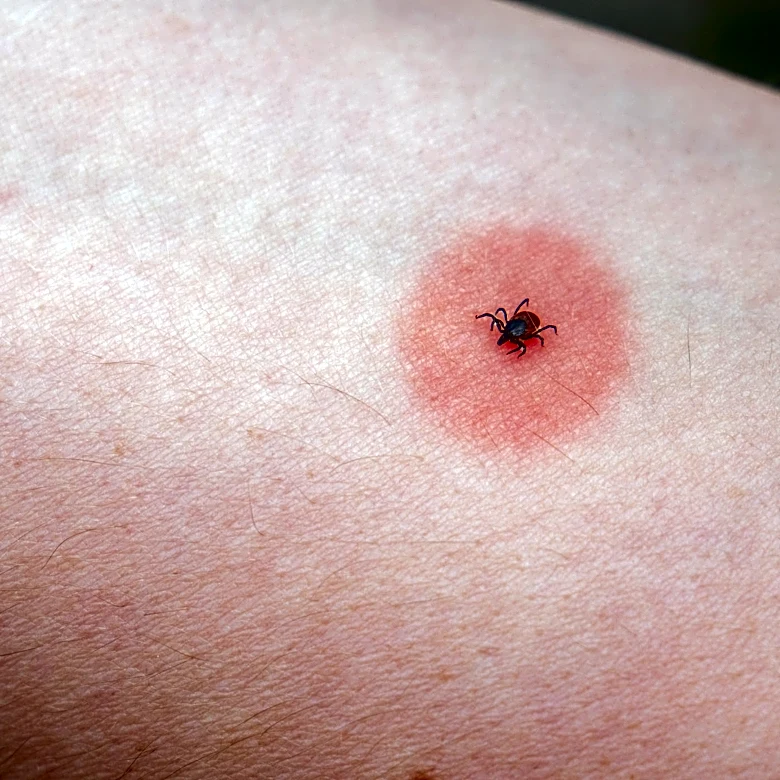
The lone star tick (Amblyomma americanum) is a significant vector for several diseases in the United States, capable of transmitting bacterial and viral infections, and is also associated with allergic conditions. According to medical experts, this aggressive human-biting tick, prevalent across the Northeast, South, and Midwest, transmits bacteria causing ehrlichiosis and tularemia, as well as the Heartland virus and Bourbon virus. Beyond infections, its bite is linked to Southern Tick-Associated Rash Illness (STARI), which presents with a rash similar to Lyme disease but has an unknown cause, and alpha-gal syndrome, an allergic reaction to mammalian meat. While lone star ticks are not established vectors for Lyme disease, their geographic range often overlaps with other medically important ticks, complicating diagnosis. The distinction between these conditions is crucial, as symptoms, testing, and treatments vary significantly. For instance, ehrlichiosis and tularemia are treated with antibiotics, whereas...