White Rot Fungi Show Promise in Degrading Wastewater Plastics and Organic Waste
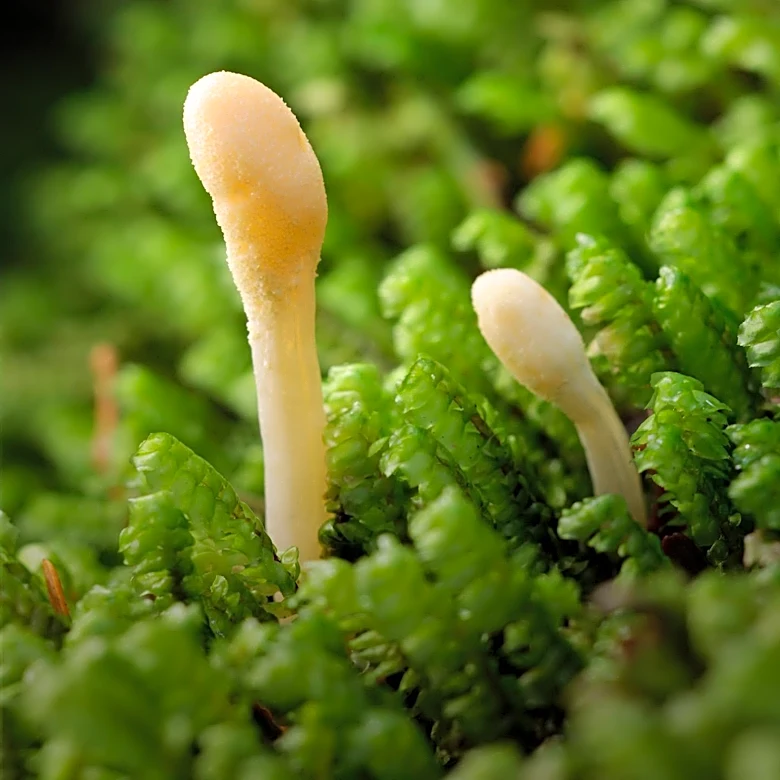
Researchers have discovered that white rot fungi can effectively biodegrade sewage screenings from wastewater treatment plants, converting complex organic waste, including plastics, into fermentable sugars. The study, published in Fungal Biology and Biotechnology, investigated four fungal species: Irpex lacteus, Bjerkandera adusta, Pleurotus dryinus, and Trametes versicolor. These fungi secrete lignocellulolytic enzymes capable of breaking down lignin and cellulose, which are abundant in sewage screenings. The screenings, a heterogeneous mixture of sanitation textiles, toilet paper, organic leftovers, plastics, and grit, are typically sent to landfills. The study found that cultivating these fungi on wastewater screenings led to significant enzymatic activity and carbohydrate degradation. For instance, Pleurotus dryinus achieved a laccase activity of 1691.75 U/mg and degraded 44.46 percent of the carbohydrates, while Bjerkandera adusta reduced carbohydrate content by 43.49 percent. This research highlights...