Strait of Hormuz's Role in a Decarbonized World: Energy Security Challenges Persist
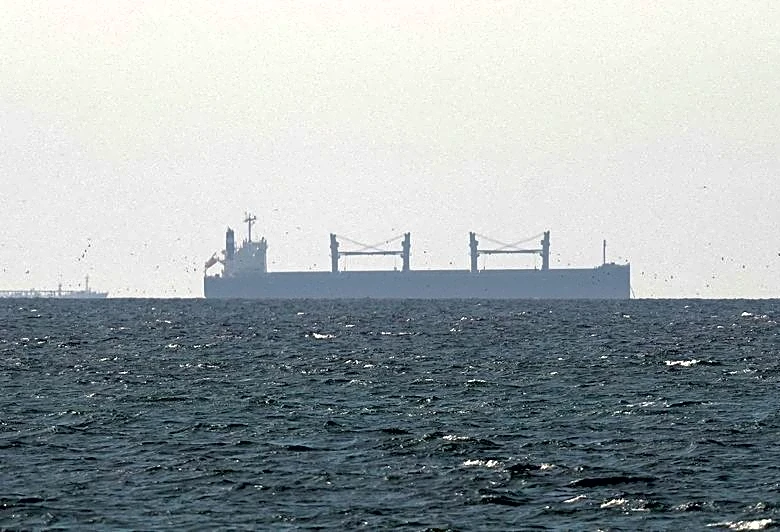
The Strait of Hormuz remains a critical chokepoint in global energy trade, even as the world transitions to a decarbonized economy. Historically, this narrow waterway has been vital for transporting a significant portion of the world's oil and liquefied natural gas (LNG). In 2025, approximately 25% of the world's seaborne oil trade and over 110 billion cubic meters of LNG passed through the Strait. As the global energy landscape shifts towards synthetic fuels like ammonia and methanol, the strategic importance of Hormuz persists. Gulf states, including Saudi Arabia, the UAE, and Qatar, are adapting by investing in green hydrogen and ammonia projects. However, these developments do not eliminate the risks associated with maritime chokepoints. The International Renewable Energy Agency (IRENA) projects that a substantial portion of future hydrogen trade will still rely on shipping, maintaining the vulnerability of energy supply chains.