Archaeological Discoveries in Amazon Reveal Indigenous Societies Before Colonization
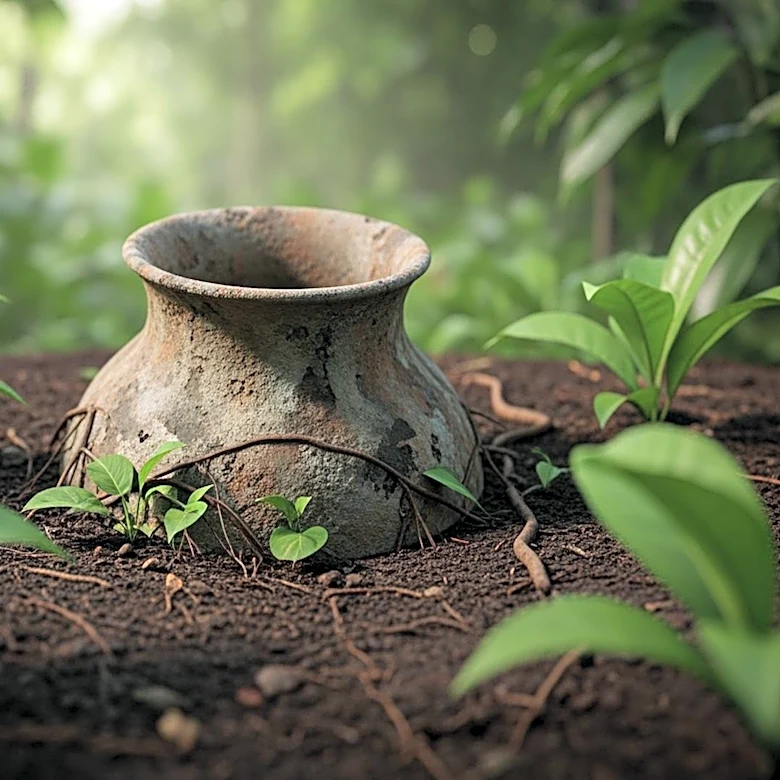
Recent archaeological digs along the BR-156 highway in Brazil's northern state of Amapa have uncovered significant artifacts that provide insights into the region's pre-colonial history. These findings include pottery vases, potentially funerary urns, and small artifacts resembling human faces. The discoveries suggest that the Amazon was not a human desert but a landscape shaped by interconnected societies long before European colonization. The artifacts, cleaned and analyzed by the National Department of Transport Infrastructure, reveal a timeline of human presence, with items from Portuguese occupation found in upper soil layers and Indigenous pottery in deeper layers. The site, known as the Archaeological Park of the Solstice, features a 1,000-year-old stone monument dubbed the 'Stonehenge of the Amazon,' which aligns with the winter solstice sun rise. This site, along with others, highlights the sophisticated societal structures and sustainable practices of ancient Indigenous peoples.