Astronomers Propose 'Black Hole Star' Theory for Mysterious Red Dots in Early Universe Images
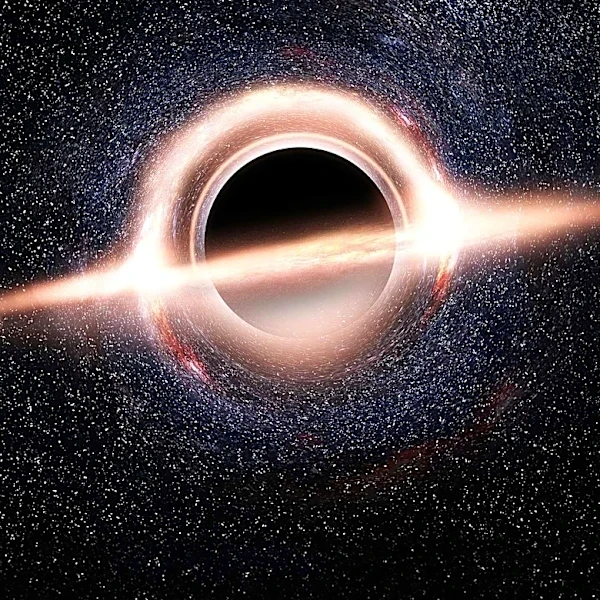
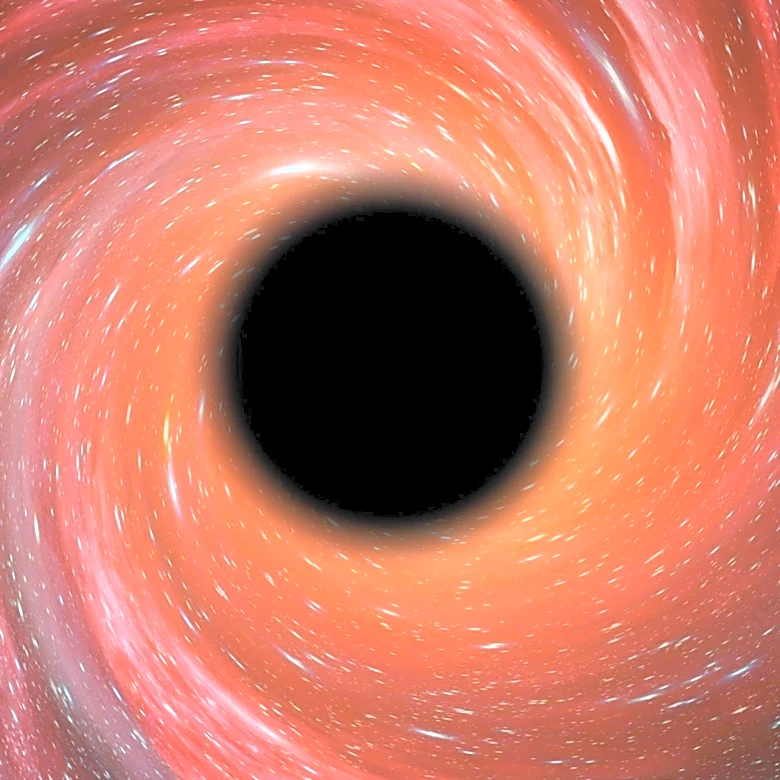
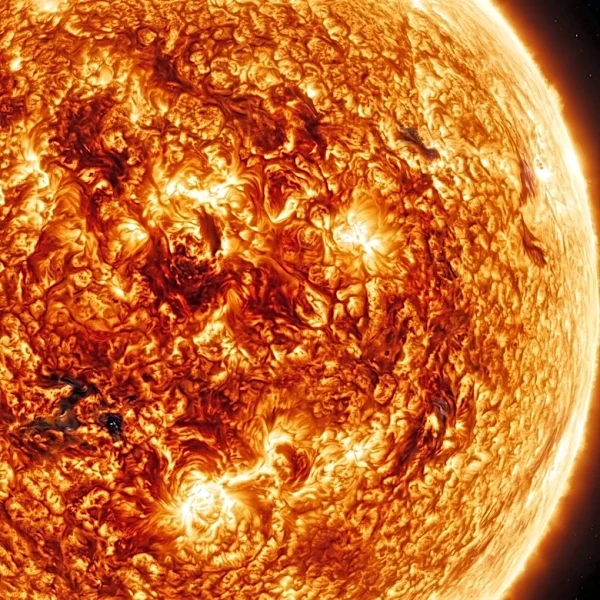
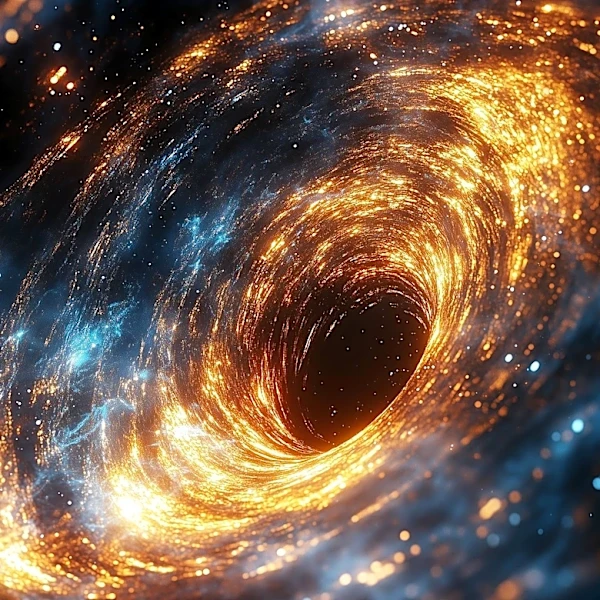
Astronomers are proposing a new theory to explain the mysterious 'little red dots' observed in images from the James Webb Space Telescope. These dots, which appeared in almost every deep field image since the telescope began operations in 2022, did not fit previous explanations. Initially, they were considered too massive and settled to be young galaxies, and too quiet to be supermassive black holes. A team led by Rohan Naidu, now at the University of Hawai'i, published an analysis suggesting that one such dot, named MoM-BH*-1, is a black hole approximately 100,000 times the mass of the sun, enveloped in dense hydrogen gas. This gas cocoon glows like an enormous star, roughly the size of our solar system, with the black hole performing the function of nuclear fusion in generating its immense brightness. This object outshines the brightest known star by about 100 billion times. The light from MoM-BH*-1 originated when the universe was approximately 660 million years old. The spectrum of this object showed a...