Virginia Tech Researchers Discover Distinct Metabolic and Brain Responses to Ultraprocessed Foods
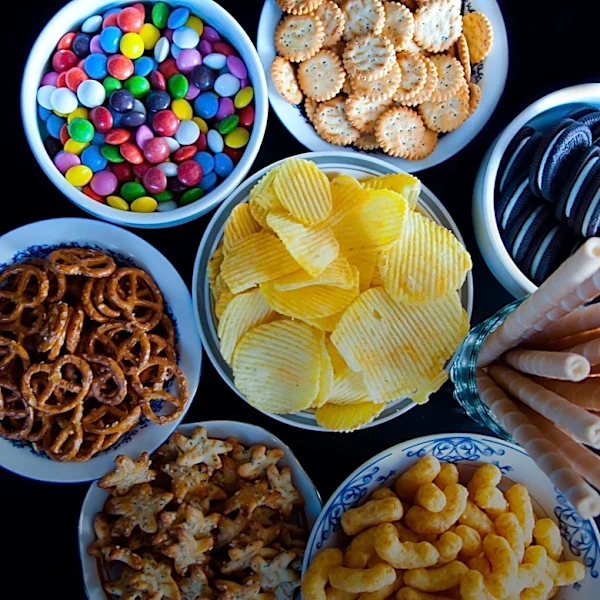
Researchers at the Fralin Biomedical Research Institute at VTC, Virginia Tech, have found that ultraprocessed meals and minimally processed meals, despite being nutritionally matched in calories, carbohydrates, fats, proteins, water, salt, and weight, produce distinct metabolic and brain responses. The study, published on October 5th in Nature Metabolism, involved healthy adults aged 18 to 45. Participants consumed both types of meals in separate sessions, allowing for a direct comparison of individual responses. The ultraprocessed meals led to a higher insulin release and greater energy expenditure, while burning less carbohydrate for fuel. Additionally, these meals elicited different responses in the brain's motivation and reward centers. This research suggests that the processing of food itself, beyond its nutritional composition, significantly impacts how the body and brain react, potentially explaining the link between ultraprocessed foods and issues like overconsumption and long-term health problems.