The Alaska Highway: A Historical Engineering Feat with Modern Implications for Tourism
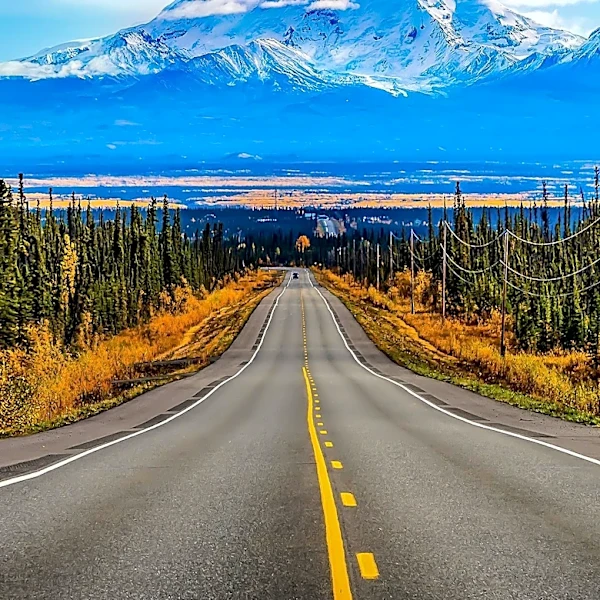
The Alaska Highway, originally constructed during World War II, spans 1,500 miles from Delta Junction, Alaska, to Dawson Creek, British Columbia. Built in 1942 by the United States and Canada, the highway was a strategic military route intended to facilitate the movement of supplies and defense mechanisms following the attack on Pearl Harbor. Despite initial resistance from Canada due to the high costs and sparse population in the regions it connected, the urgency of wartime logistics led to its rapid construction. Over 10,000 American soldiers were involved in the project, which was completed in just eight months. Today, the highway is a well-paved route that significantly contributes to regional tourism, showcasing the evolution from its original log-based infrastructure to modern roadways.