NASA Study Reveals Volatile Patterns in Global Nighttime Light Reflecting Human Development
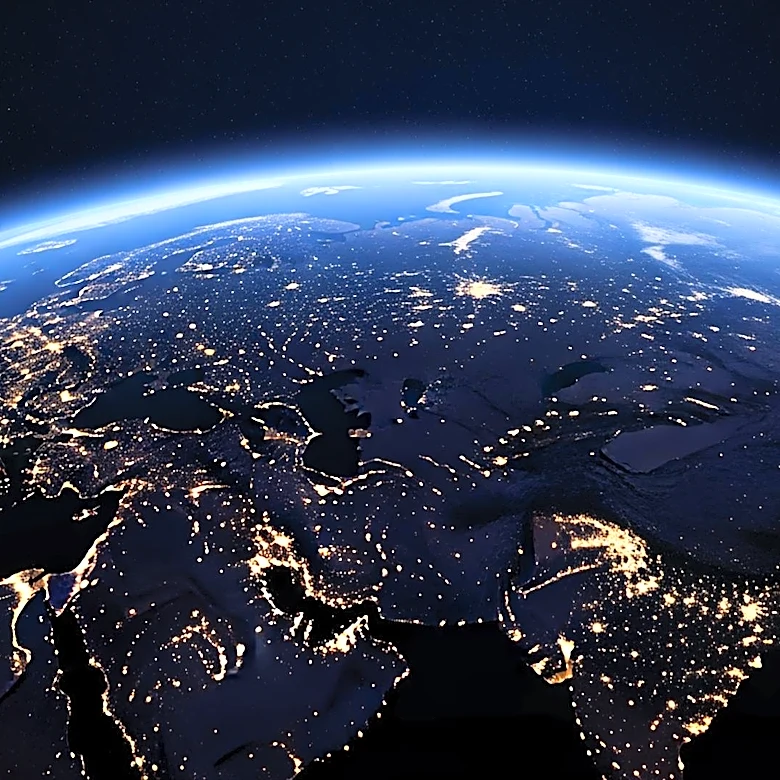
A new study led by researchers from the University of Connecticut and NASA has revealed that global nighttime light is a volatile reflection of human development, resilience, and turmoil. The study, published in Nature, utilized satellite data from NASA's Black Marble science team to analyze changes in global nighttime lighting from 2014 to 2022. This high-frequency approach uncovered patterns of human behavior previously invisible, such as responses to conflicts, pandemics, and energy policy shifts. The study found that global nighttime radiance surged by 34%, but dimming events erased 18% of that gain, indicating a more turbulent planet than previously thought. The data captured significant dimming in Ukraine during the Russian invasion and in Syria and Yemen due to prolonged conflicts. The study also highlighted the impacts of COVID-19 lockdowns and energy-saving measures in Europe.