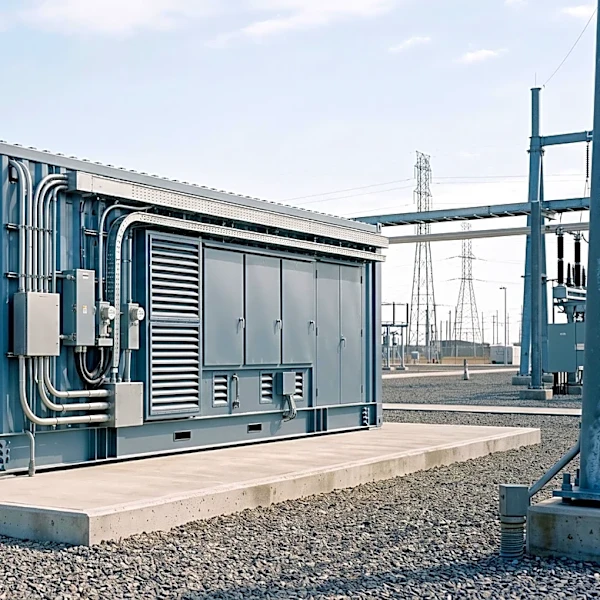
Georgia Power's Obscure Calculation Favors Natural Gas Over Battery Storage in Grid Expansion
Georgia Power, the state's largest utility, is facing scrutiny from renewable energy advocates over its use of an obscure calculation called Effective Load Carrying Capability (ELCC) in its latest plan to expand the electric grid. The utility is preparing to add between 2,000 and 6,000 megawatts of new capacity by 2032 and 2033, considering both natural gas and battery storage. However, Georgia Power is currently assigning battery storage an ELCC of just 20%, meaning a 1,000-megawatt battery project would only count for 200 megawatts towards its capacity needs. In contrast, a 1,000-megawatt natural gas plant is assigned an 80% ELCC, counting for 800 megawatts. This significantly lower ELCC for batteries, compared to previous calculations of around 75%, is seen by advocates like Bob Sherrier of the Southern Environmental Law Center as putting a "thumb on the scale for gas," making battery storage appear artificially more expensive and less valuable in the procurement process.