Discovery of Super-Earths Challenges Understanding of Planetary Formation
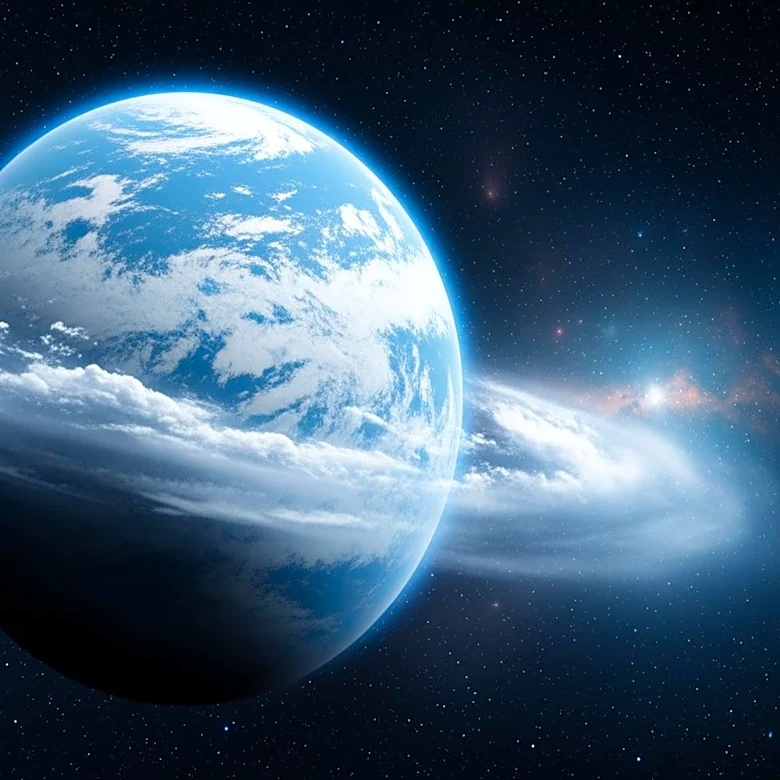
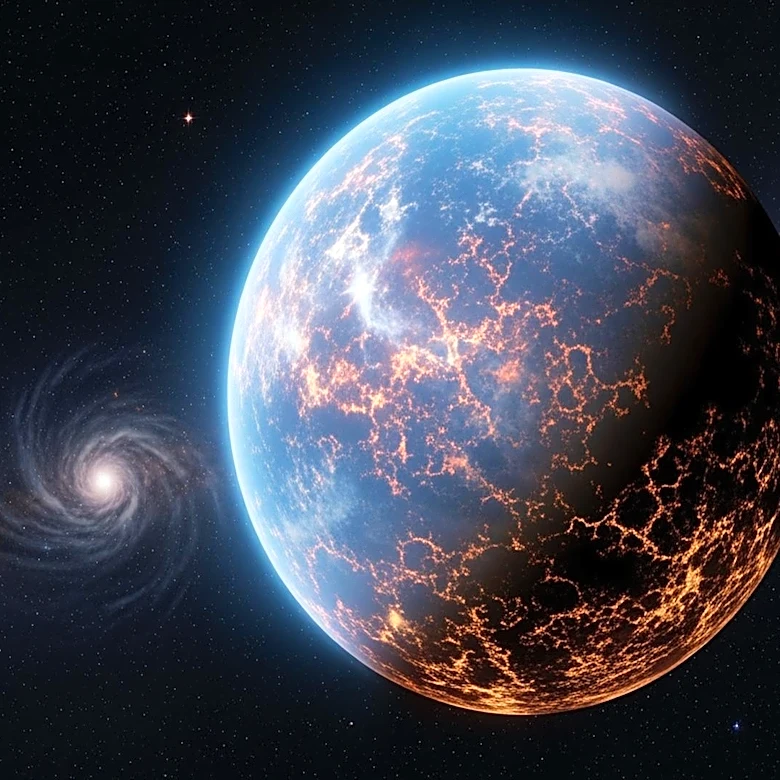
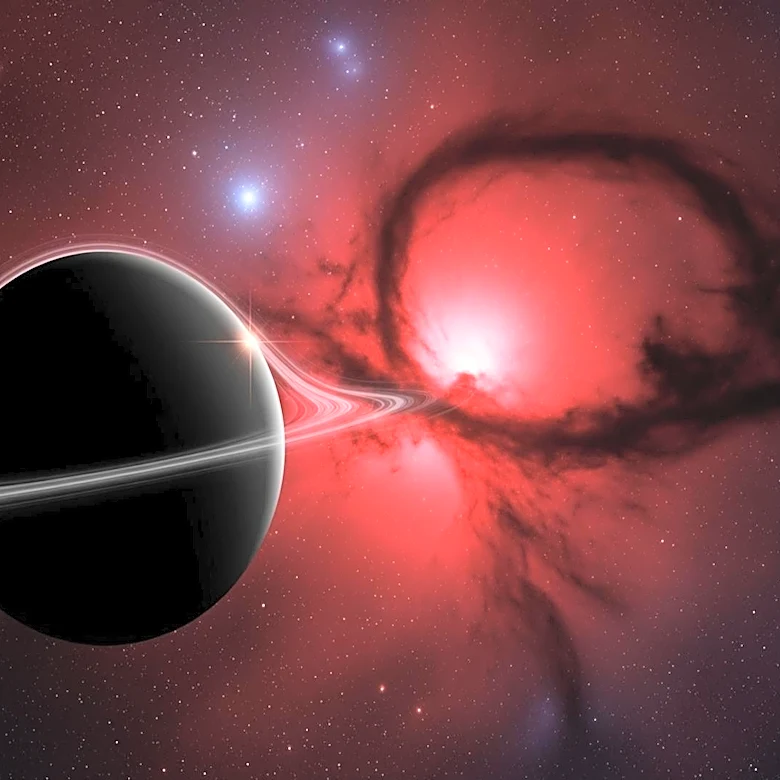
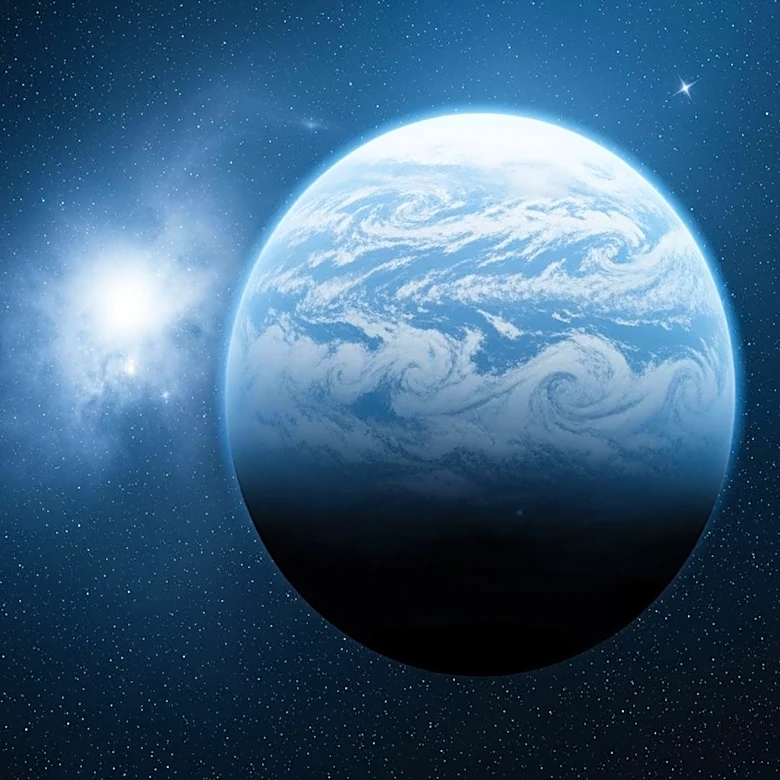
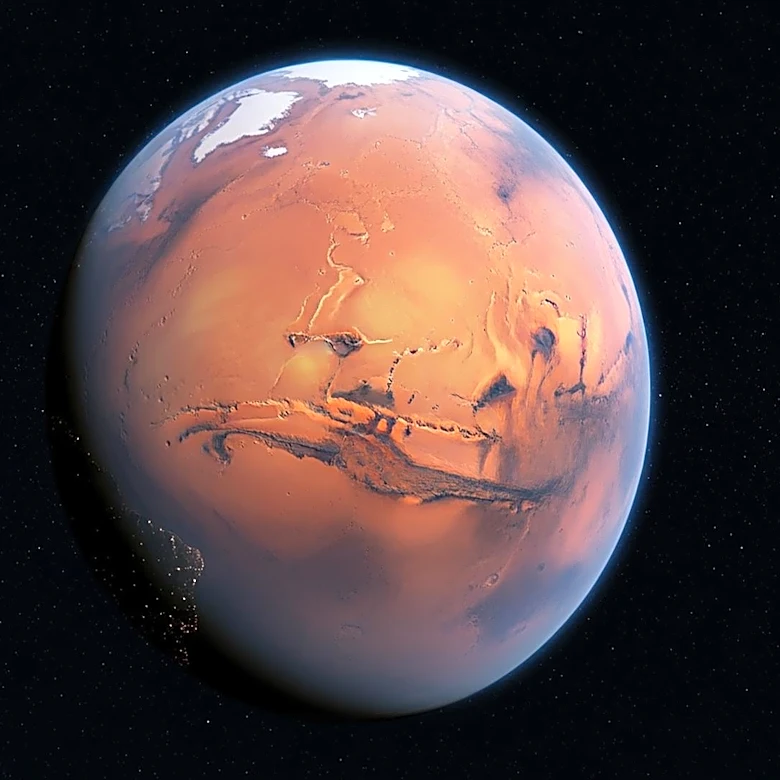
Super-Earths, planets larger than Earth but smaller than ice giants like Neptune, are among the most common types of planets in our galaxy. These planets, which can be composed of rock, gas, water, or a combination, have been discovered in abundance over the past 30 years. Despite their name, Super-Earths do not necessarily resemble Earth in terms of surface or atmosphere. The discovery of these planets has prompted scientists to reconsider theories of planetary formation and the potential for life beyond Earth. Recent advancements in detection methods, such as gravitational microlensing, have revealed that Super-Earths may be more prevalent than previously thought, even in distant orbits.