NASA Explores New Spacecraft for Mineral Mapping on Moon, Asteroids, and Mars
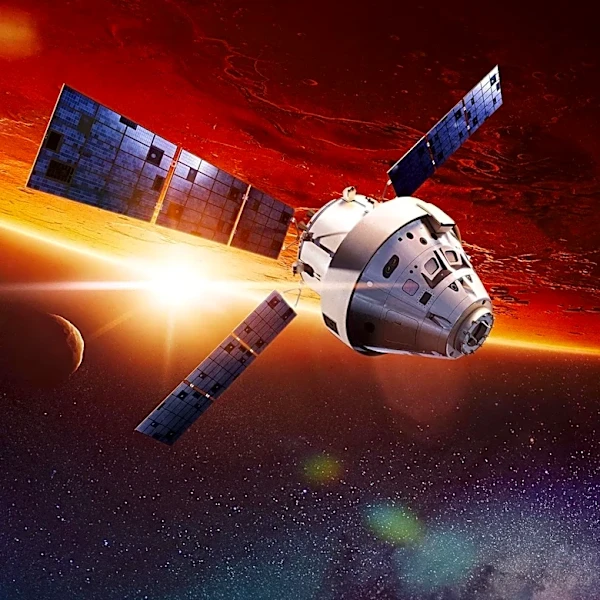
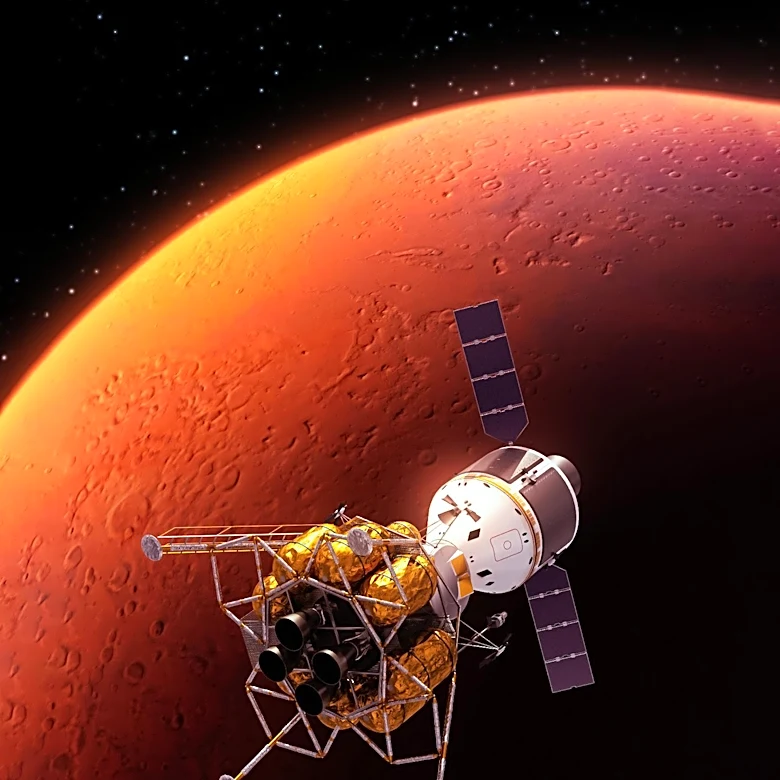
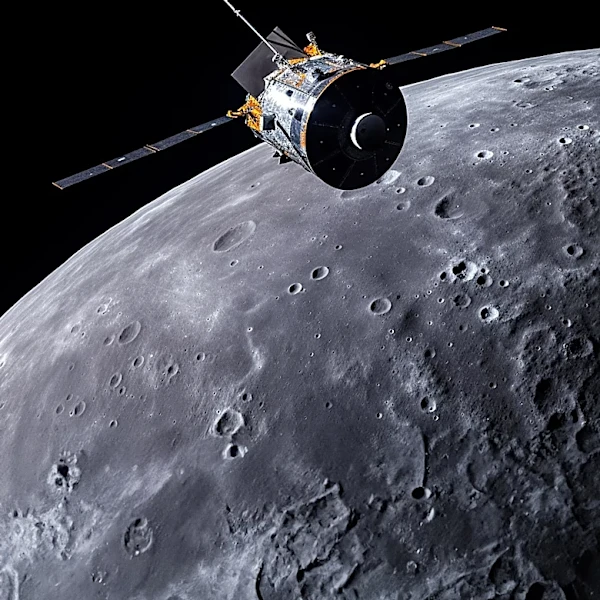
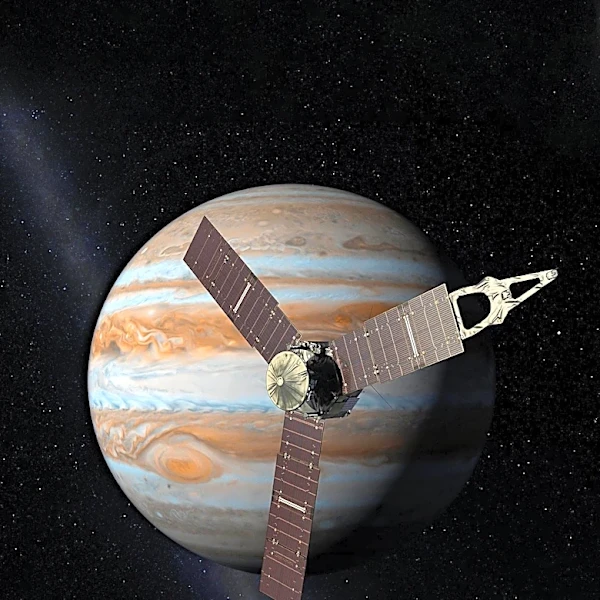
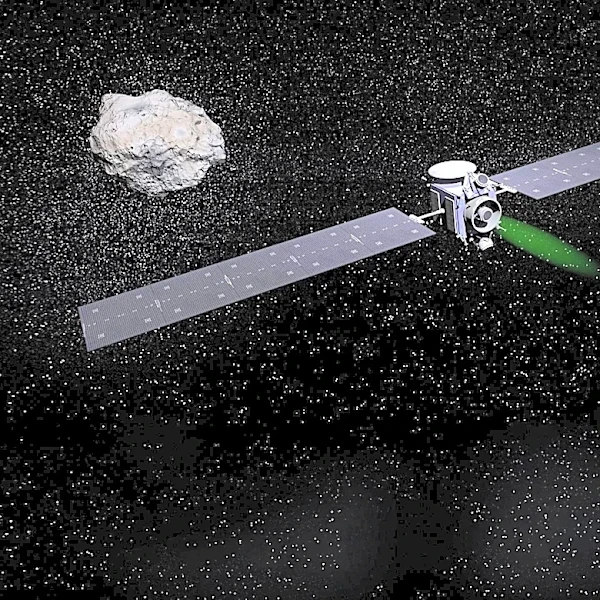
NASA is exploring a new class of reconnaissance spacecraft designed to map minerals from orbit using Raman spectroscopy during high-speed flybys. This innovative approach, if feasible, would allow NASA to evaluate ice and ilmenite on the Moon, assess ore content on asteroids, and identify volatile-bearing minerals on Mars' moons, all with a single 300-kg spacecraft. The central objective is to determine whether Raman spectroscopy, a technique that identifies minerals by their molecular fingerprints, can operate effectively from tens of kilometers away during flyby or orbital arcs. Historically, this technique has only been used from meters away on rovers. The mission concept involves a solar electric propulsion spacecraft conducting three reconnaissance legs: a 50 km polar orbit of the Moon, a 30 km flyby of a near-Earth asteroid, and a 30-50 km orbit of Phobos or Deimos. The spacecraft would use a high-energy pulsed laser and a time-gated photon-counting detector to isolate Raman signals from planetary su...