University of Alaska Fairbanks Reveals Whale Bones Mistaken for Mammoth Remains in Alaska
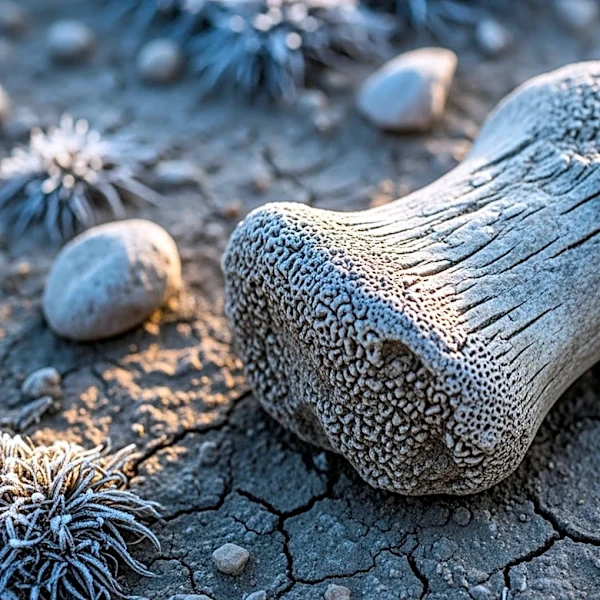
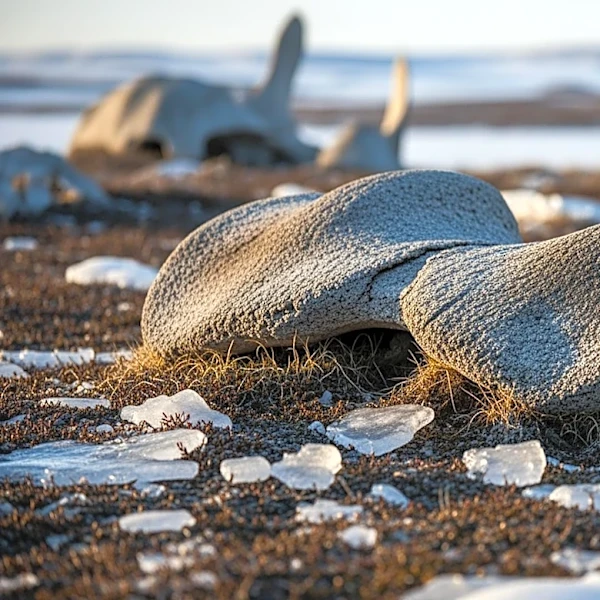
For decades, large bones discovered in Alaska's interior were believed to be from woolly mammoths, a conclusion based on their size and the prevalence of Pleistocene megafauna remains in the region. However, recent research by scientists at the University of Alaska Fairbanks has overturned this long-standing belief. Radiocarbon dating revealed that the bones are only 2,000 to 3,000 years old, much younger than the expected timeline for mammoths, which largely disappeared around 13,000 years ago. Further analysis, including chemical and DNA testing, identified the bones as belonging to marine animals, specifically whales. This discovery was published in the Journal of Quaternary Science, highlighting the bones' nitrogen-15 and carbon-13 isotope signatures typical of marine life. The study suggests several theories for how these whale bones ended up so far inland, including ancient human transport or a possible museum mix-up.