Scientists Develop Unified Approach to Detect Spacetime Fluctuations
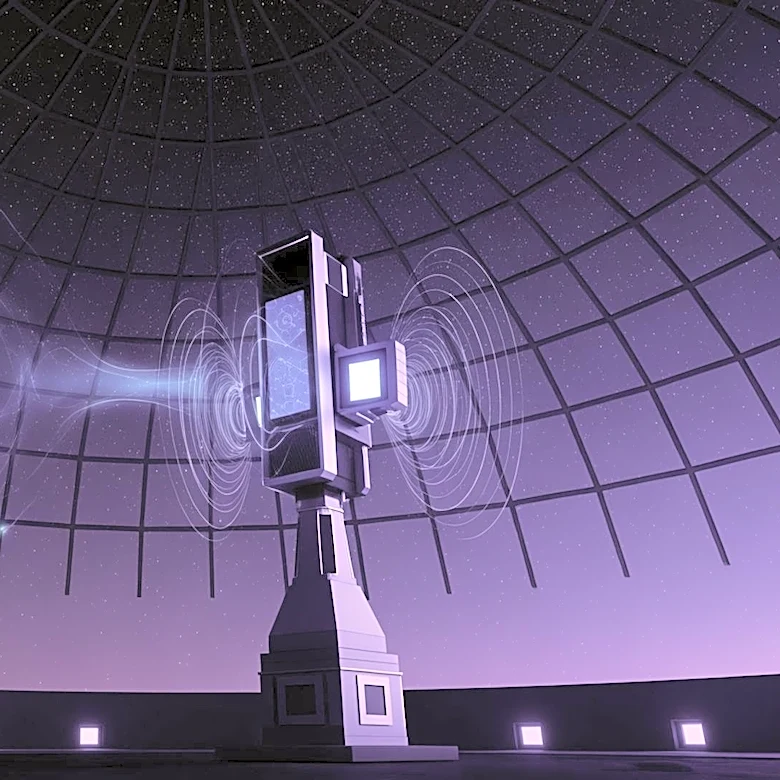
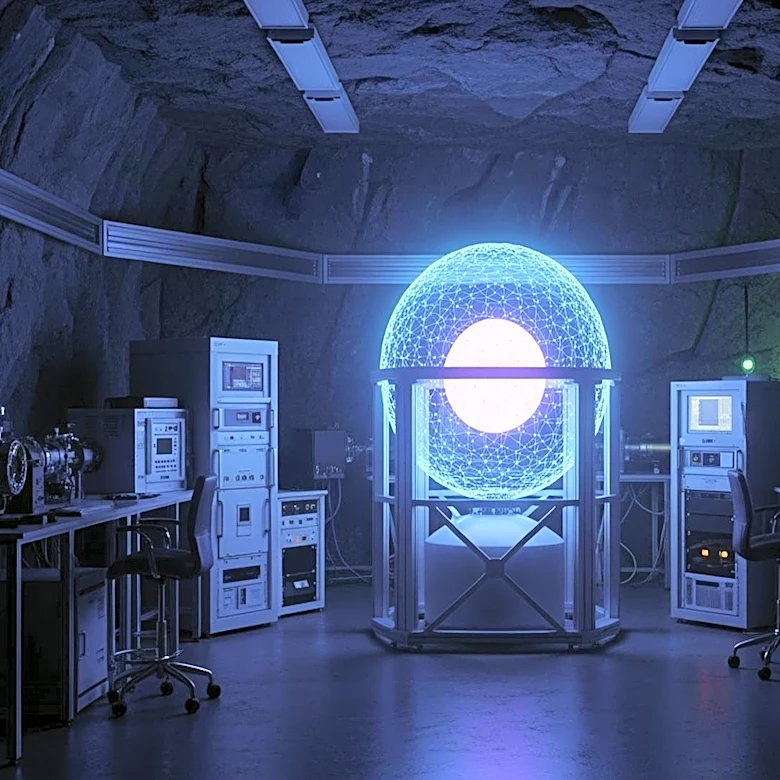
Researchers from the University of Warwick have introduced a unified method for detecting 'spacetime fluctuations,' which are tiny, random distortions in spacetime structure. These fluctuations, first proposed by physicist John Wheeler, are a key element in various quantum gravity theories. The new approach categorizes these fluctuations into three main types, each with distinct measurable patterns. This framework allows existing laser interferometers, such as LIGO and smaller setups like QUEST and GQuEST, to detect these patterns. The research, published in Nature Communications, provides a practical guide for experimentalists to test quantum gravity predictions, potentially advancing our understanding of fundamental physics.