NASA's Boeing 777 Transformed for Advanced Airborne Science Missions
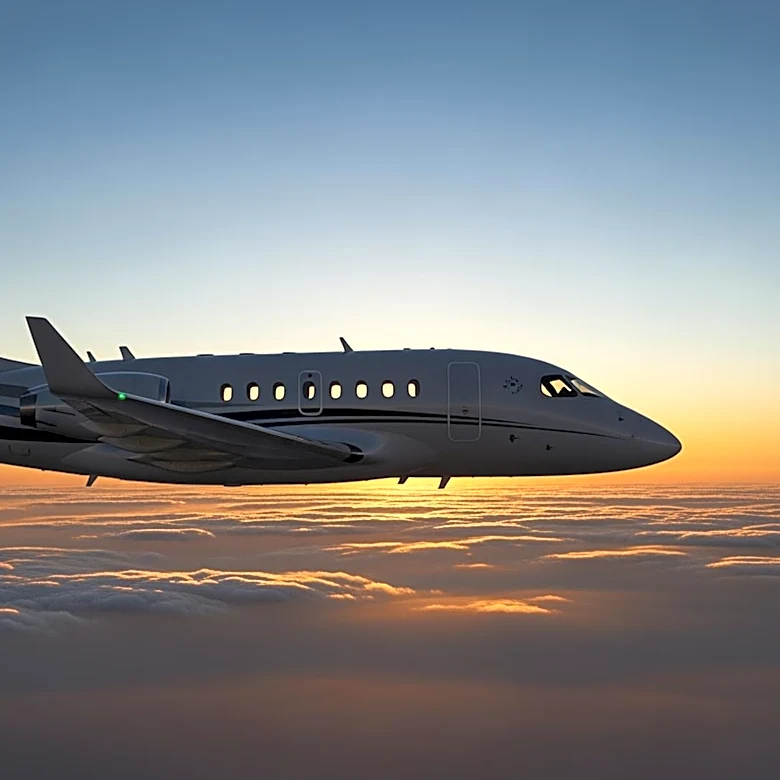
NASA's Boeing 777 aircraft has returned to Langley Research Center in Virginia after undergoing significant modifications to serve as a next-generation airborne science laboratory. The aircraft, which was acquired in 2022 to replace the retired DC-8, has been equipped with advanced research stations and extensive wiring to support scientific instruments such as lidar and infrared imaging spectrometers. These upgrades allow the aircraft to collect data during flights lasting up to 18 hours, accommodating 50 to 100 operators and carrying 75,000 pounds of equipment. The inaugural science mission, scheduled for January 2027, will focus on high-impact winter weather events across North America, Europe, Greenland, and the Arctic and North Atlantic Oceans.