Experimental Cholesterol-Lowering Pill Shows Promise for High-Risk Patients
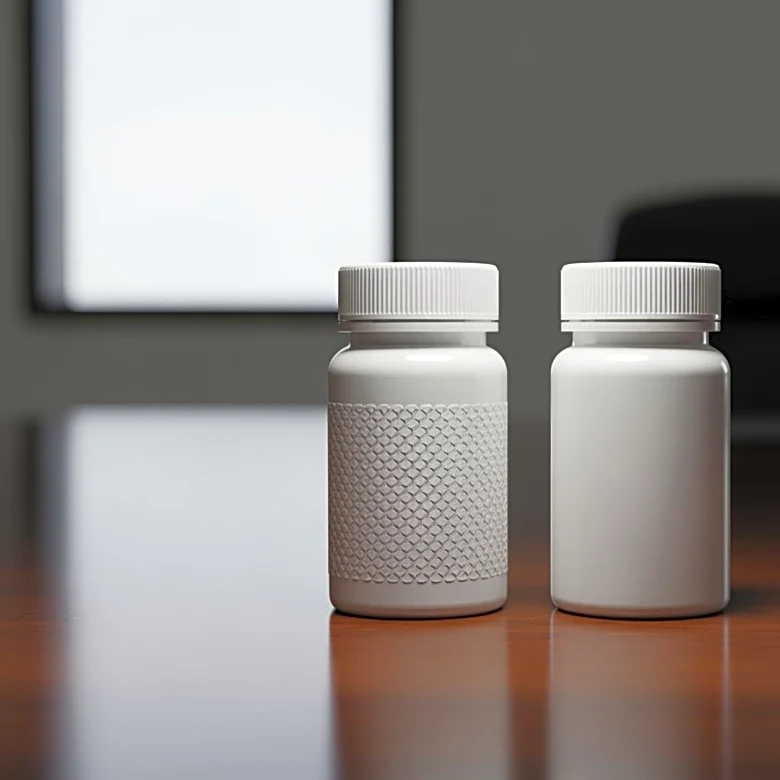
A new experimental pill, enlicitide, has demonstrated significant potential in reducing artery-clogging cholesterol in patients at high risk of heart attacks, according to recent research. The pill, which is still under investigation, offers a novel approach to cholesterol management by helping the body eliminate cholesterol, a process currently achievable only through injectable medications. In a study involving over 2,900 high-risk patients, those who took enlicitide alongside their standard treatment saw their LDL cholesterol levels drop by up to 60% over six months. This reduction is comparable to that achieved by PCSK9 inhibitors, which are injectable drugs. The study, funded by Merck, provides crucial data for seeking FDA approval, with the agency promising an expedited review process.