U.S. Southwest Reservoirs Receive Rare Relief from Flooding, Lake Powell Rises 20 Feet
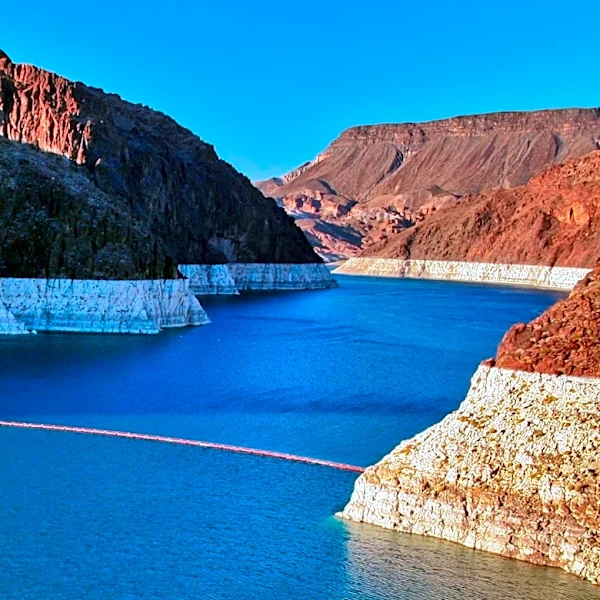
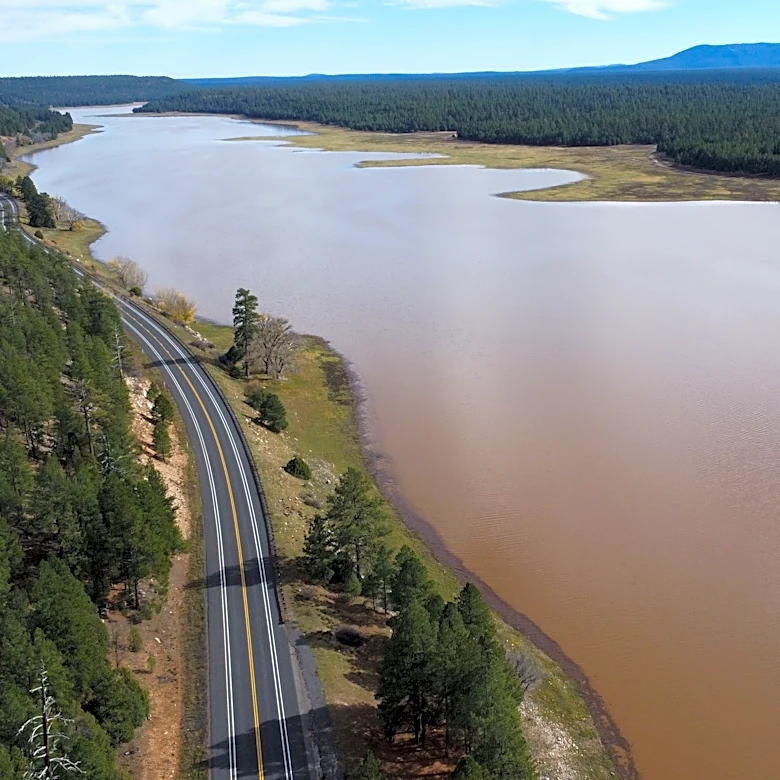
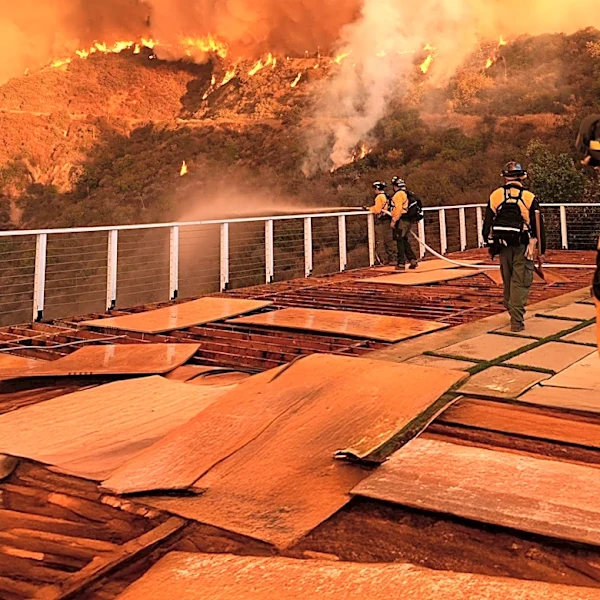
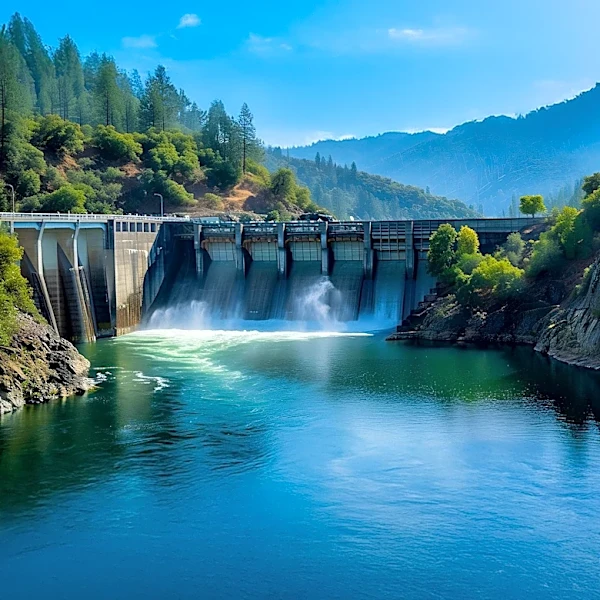
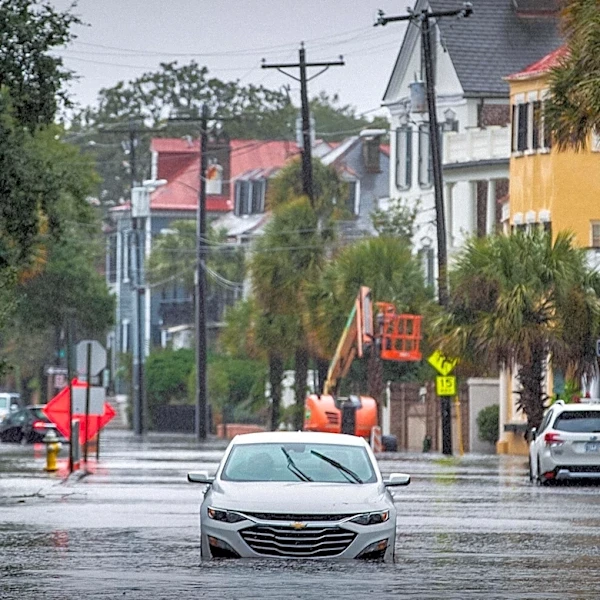
Recent flooding across the U.S. Southwest has provided a significant, albeit temporary, boost to reservoirs that have been at record lows due to a prolonged megadrought. Storms in late October and early November caused creeks to overflow, leading to localized flooding and evacuations. Much of this water is now flowing into depleted lakes and underground aquifers. Lake Powell, the nation's second-largest reservoir, has seen its water level rise by over 20 feet from its mid-September low, surpassing gains from this year's snowmelt. Despite this increase, Lake Powell remains just over a quarter full, with most of its boat launches still unusable. Cities like Pagosa Springs, Colorado, and Flagstaff, Arizona, have reported some of their wettest weather in decades, leading to the lifting of water restrictions and substantial increases in local water supplies. For instance, Upper Lake Mary, a key water source for Flagstaff, received over 3 billion gallons of water since early October.