World Cup 2026 Poses Health Risks with Mosquito-Borne Diseases and Respiratory Infections
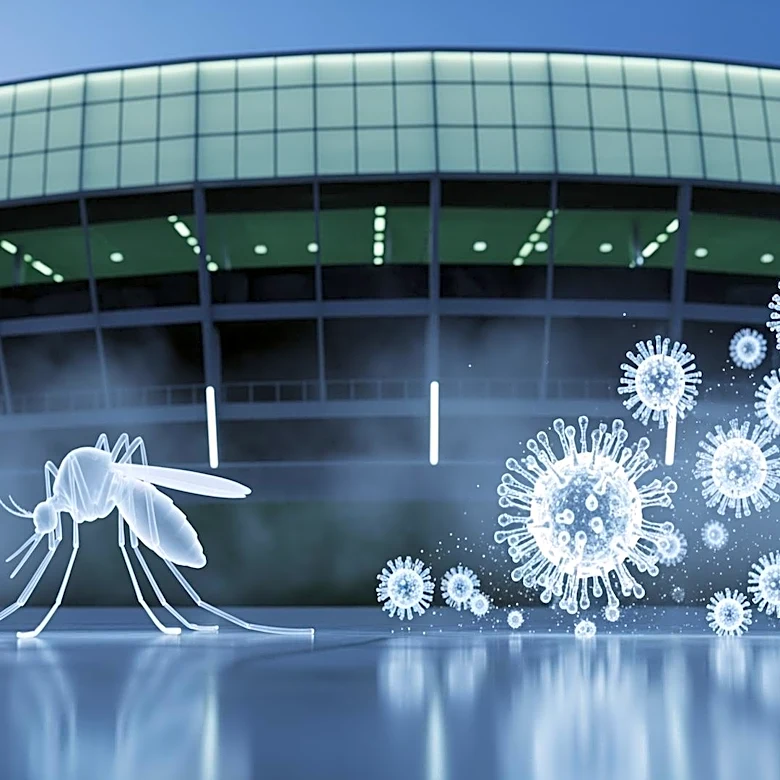
The 2026 FIFA World Cup, set to take place across 16 cities in the United States, Canada, and Mexico, is raising concerns among health experts about the potential spread of infectious diseases. The event, which will draw millions of fans, creates an environment conducive to the transmission of diseases such as dengue, yellow fever, and the Oropouche virus, particularly in southern U.S. and Mexican host cities during peak mosquito season. Dengue cases in the U.S. reached a record high in 2024, with a significant increase in locally acquired cases. Additionally, respiratory infections like measles, flu, and COVID-19 are expected to pose significant risks due to the large gatherings. The U.S. has implemented travel restrictions and health monitoring to mitigate these risks.