NASA's James Webb Telescope Unveils New Insights into Distant Cosmic Objects
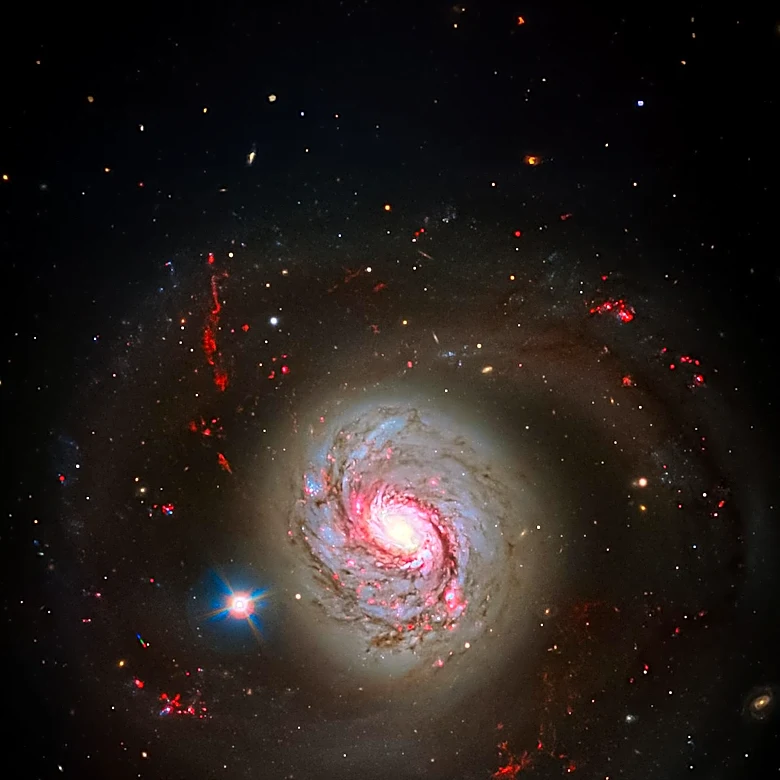
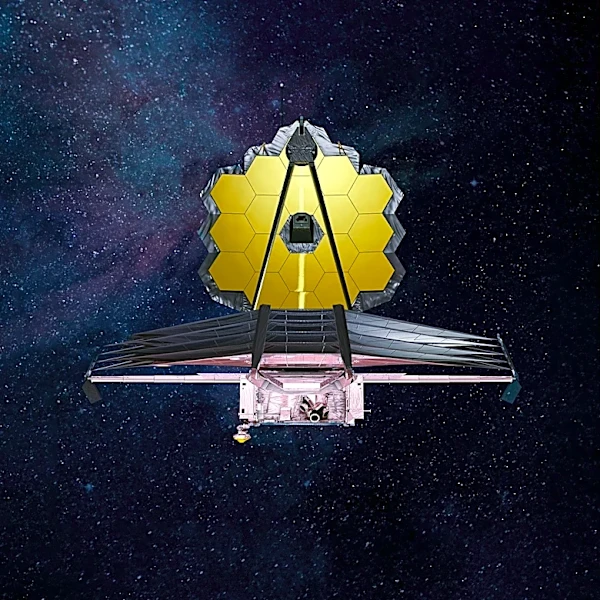
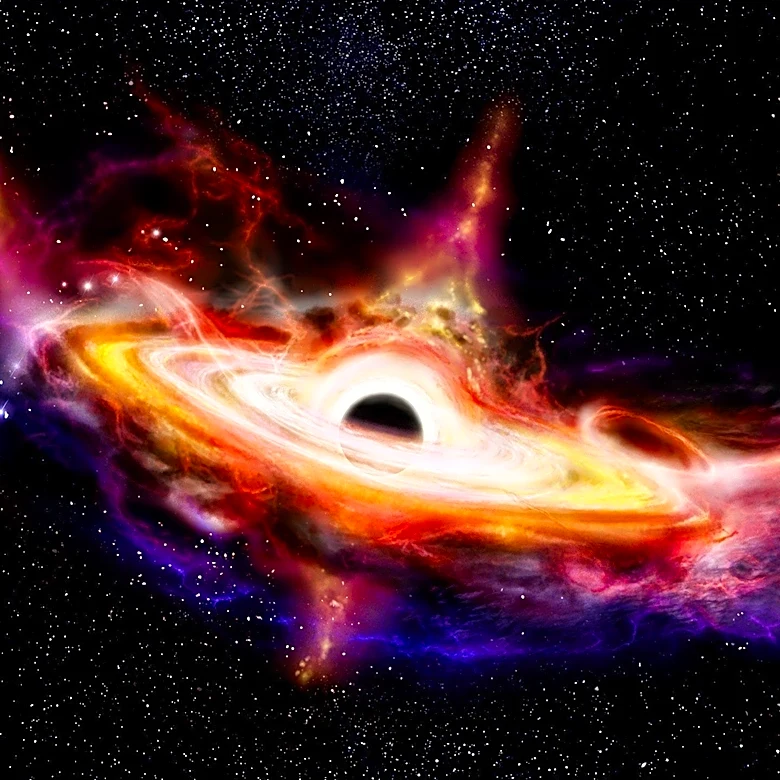
NASA's James Webb Space Telescope has provided new insights into the nature of 'little red dots' (LRDs), which are distant, compact red sources in the universe. These LRDs are believed to be supermassive black holes known as active galactic nuclei. A team led by Pierluigi Rinaldi from the University of Arizona has proposed that these LRDs may be a temporary phase of highly active supermassive black holes. The study, published in The Astrophysical Journal, suggests that these dots are affected by observational bias, as some features do not appear at higher redshifts with current technology. The research analyzed a lower-redshift spiral galaxy, WISEA J123635.56+621424.2, nicknamed the 'Saguaro,' to understand the evolution of LRDs.