Discovery of Lystrosaurus Embryo Fossil Sheds Light on Ancient Survival Strategies
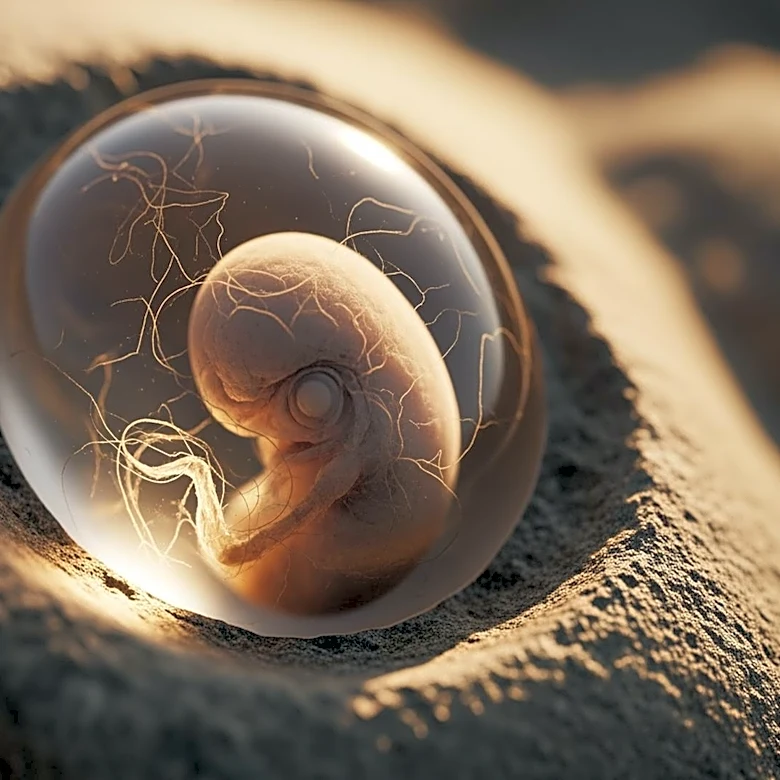
A significant paleontological discovery has been made with the identification of a fossilized embryo of Lystrosaurus, a mammalian ancestor, in South Africa. This finding, detailed in a recent study, provides the first evidence that therapsids, a group of animals that eventually gave rise to mammals, were egg-laying. The fossil, discovered in 2008 near Oviston, South Africa, was analyzed using advanced imaging technology at the European Synchrotron Radiation Facility in France. The analysis revealed that the embryo was indeed inside an egg, despite the absence of a shell, which was likely leathery and dissolved over time. This discovery is crucial as it offers insights into the reproductive strategies of Lystrosaurus, which survived the 'Great Dying,' a mass extinction event 252 million years ago.