Chikungunya Virus: Understanding the Mosquito-Borne Threat and Its Global Spread
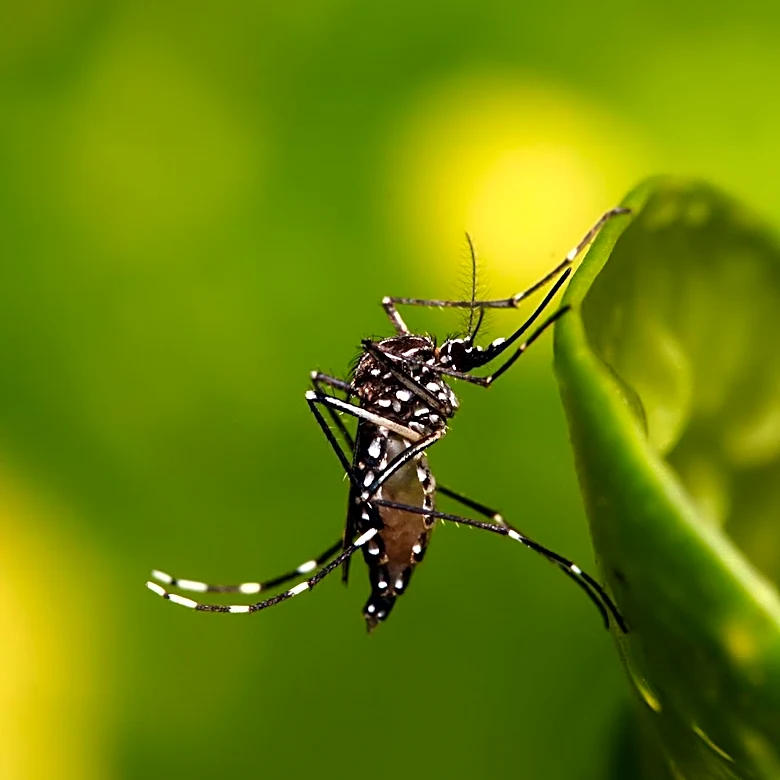
Chikungunya is an emerging arbovirus disease caused by the chikungunya virus (CHIKV), primarily transmitted to humans through the bites of infected Aedes aegypti and Aedes albopictus mosquitoes. These are the same mosquito species responsible for spreading dengue and Zika viruses. The disease was first identified in Tanzania in 1952, and its name, meaning 'bent over' in a local language, refers to the severe joint pain it often causes. Symptoms typically appear 3-7 days after a mosquito bite and include sudden high fever, intense polyarthralgia (severe joint pain), muscle pain, headache, rash, and fatigue. While most individuals recover within a couple of weeks, the joint pain can persist for months or even years in some cases. Although death is rare, severe cases can occur, particularly in older adults or those with underlying health conditions. The virus has spread globally from its original circulation in Africa and Asia, reaching the Americas and parts of Europe, with major outbreaks reported in variou...