Wildfire Smoke Worsens U.S. Air Quality Since 2016
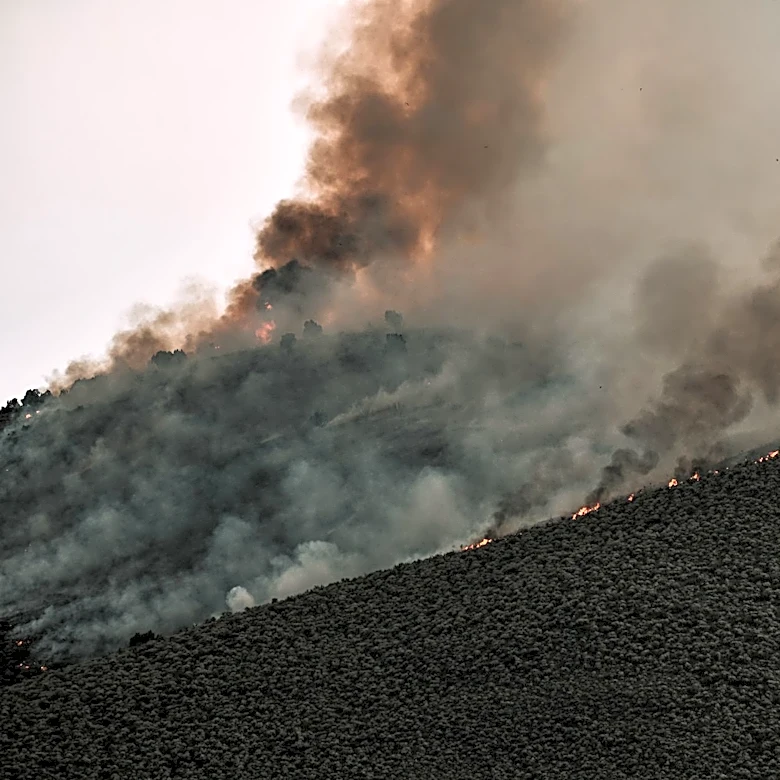
Recent analysis highlights a significant increase in wildfire smoke across the continental United States (CONUS) since 2016, reversing decades of improving air quality. Research from NASA and other studies confirms that smoke frequency has risen sharply, with the upper west quadrant of the U.S. experiencing 5-10 more smoke days annually compared to the early 2000s. Wildfire smoke, driven by climate change, is now recognized as a major contributor to air pollution, killing approximately 24,000 Americans annually and causing widespread disruptions to daily life. This includes impacts on health, indoor activities, and economic costs, such as investments in air purifiers and changes to ventilation systems. The findings underscore the growing influence of climate change on extreme weather events and their associated hazards. (Source: The Climate Brink, Dessler, 2026)