Pneumococcal Subtypes and Air Pollution Influence Invasive Disease Risk
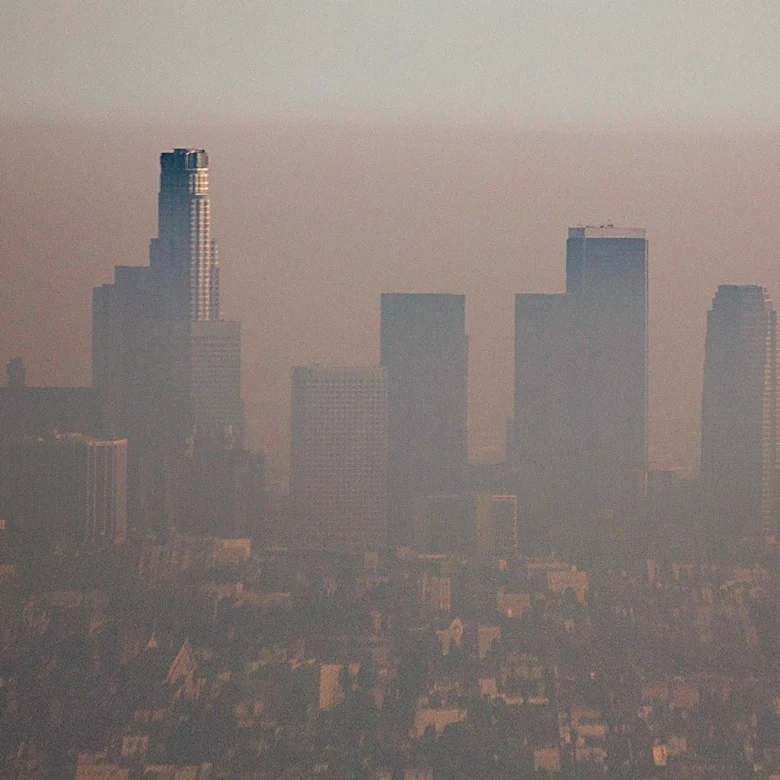
Researchers have found that different subtypes of Streptococcus pneumoniae, combined with air pollution exposure, significantly impact the rate and timing of invasive pneumococcal disease (IPD). The study, published in Nature Microbiology, analyzed approximately 59,000 IPD cases over 19 years from South Africa’s national GERMS-SA surveillance program. It revealed that certain S. pneumoniae subtypes (14, 19A, and 8) were linked to the greatest risk of IPD following air pollution exposure. Furthermore, the timing of disease risk varied by subtype; while the highest risk generally peaked two weeks after exposure, subtypes 4, 8, 23F, and 19F were associated with an immediate increase in disease risk within the same week. The study also accounted for other factors like temperature and humidity, noting that high temperatures led to an immediate increase in risk, while cold temperatures resulted in a delayed rise in cases. This research highlights that older adults and young children are particularly vulnerable d...