Understanding the Role and Structure of Police in the U.S. Amidst Calls for Reform
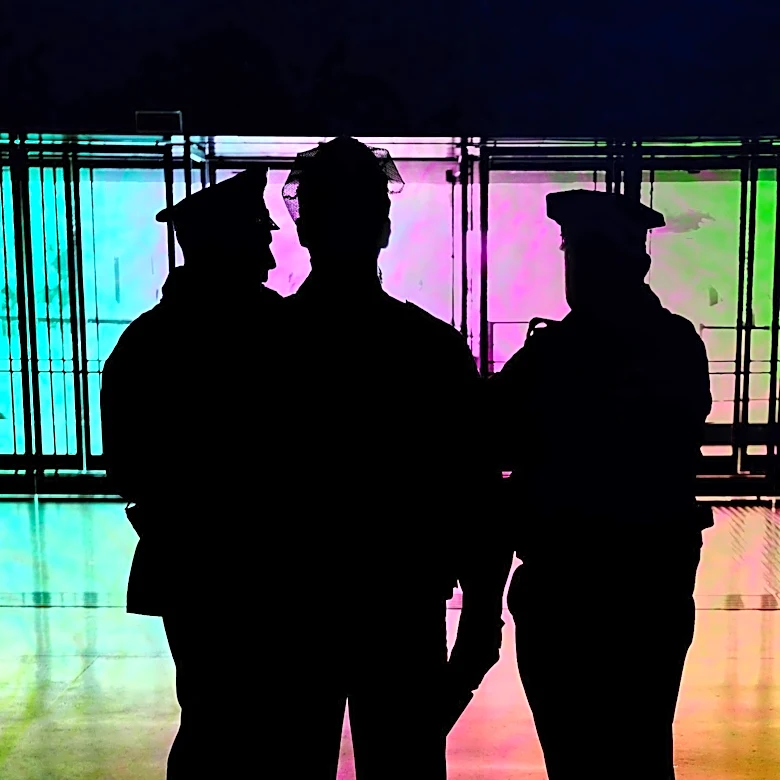
The term 'police' originates from the Greek 'politeia,' meaning 'civil administration' or 'state,' and refers to the governmentally sanctioned body responsible for investigating crimes, apprehending offenders, regulating traffic, and managing public safety. In the United States, law enforcement is highly decentralized, encompassing federal agencies, state-level highway patrols, and thousands of municipal and county police departments. The typical hierarchy within police forces includes officers, sergeants, lieutenants, captains, and culminates in top positions like chief of police or commissioner. Police officers enforce laws, investigate crimes, and respond to emergencies, while also engaging in order maintenance, service provision, and crime prevention. High-profile incidents of alleged police misconduct, excessive force, and fatal encounters have led to widespread scrutiny and demands for reform. Critics argue that systemic biases within policing lead to disproportionate targeting of minority population...