Cambrian Fossil Discovery: Waptia Fieldensis Reveals Early Arthropod Evolution
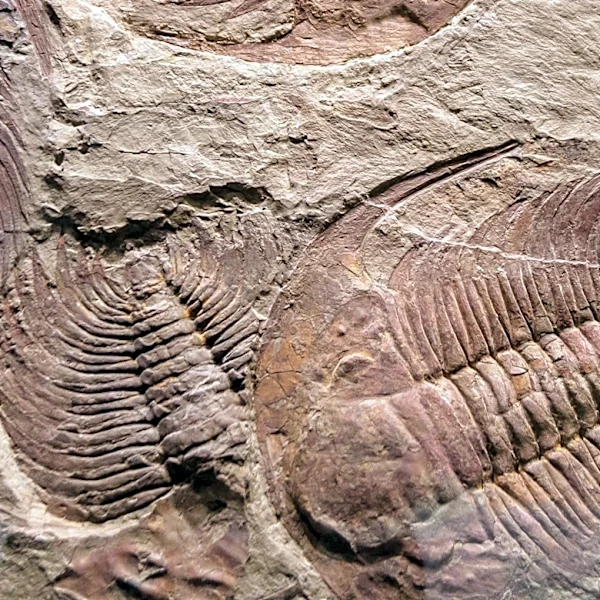
Waptia fieldensis, a Cambrian fossil from the Burgess Shale in British Columbia, Canada, has provided significant insights into early arthropod evolution. First described by Charles Doolittle Walcott in 1912, this fossil is noted for its exceptional preservation, capturing fine anatomical details including soft tissues. Waptia fieldensis, which lived approximately 508 million years ago, is an early member of the arthropod lineage, showcasing differentiated appendages, a flexible carapace, and evidence of brooding behavior. These features bridge the evolutionary gap between early Cambrian stem-arthropods and later crustacean groups. The fossil measures around 4-8 cm in length and features a bivalved carapace, a fan-shaped tail, and large compound eyes, indicating a predatory or scavenging lifestyle.