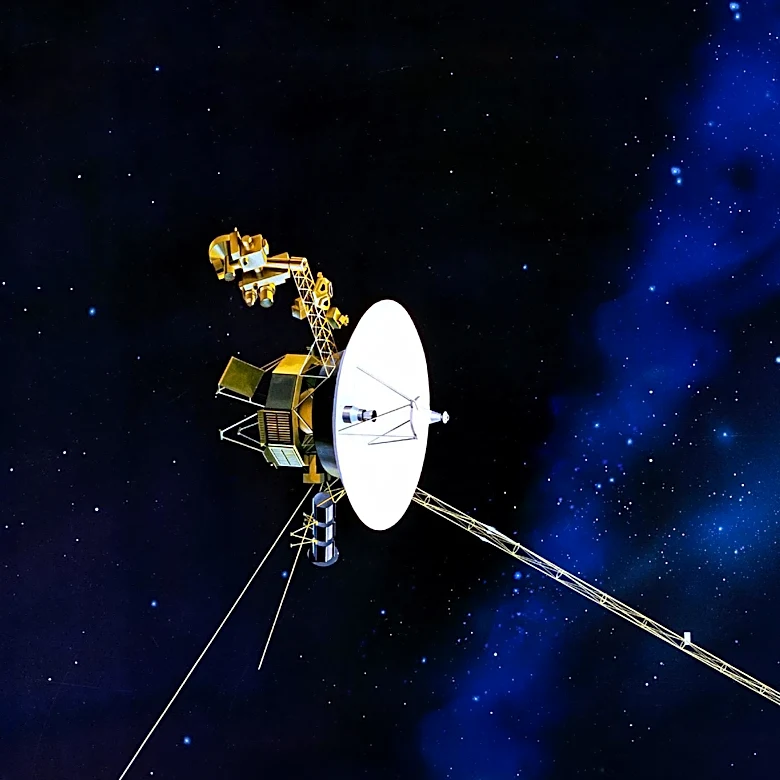
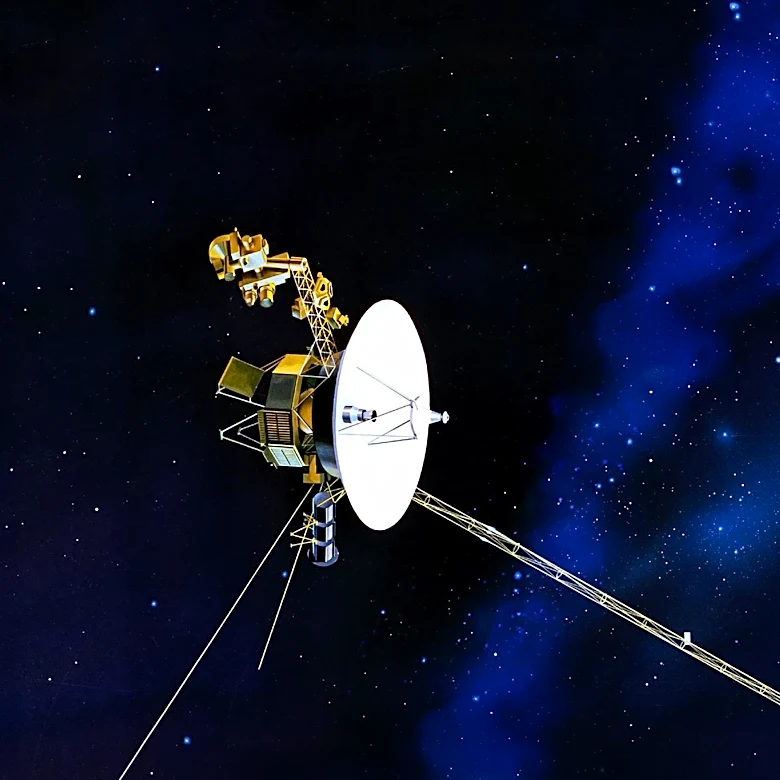
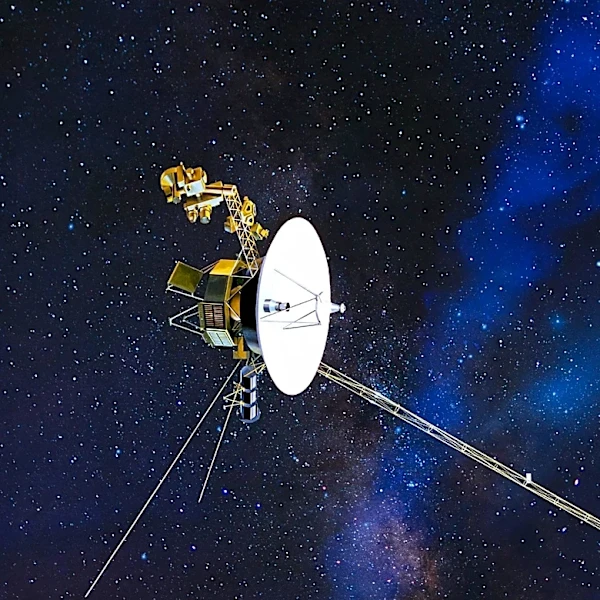
NASA's Voyager 1 Continues Epic Journey, Reaching Interstellar Space
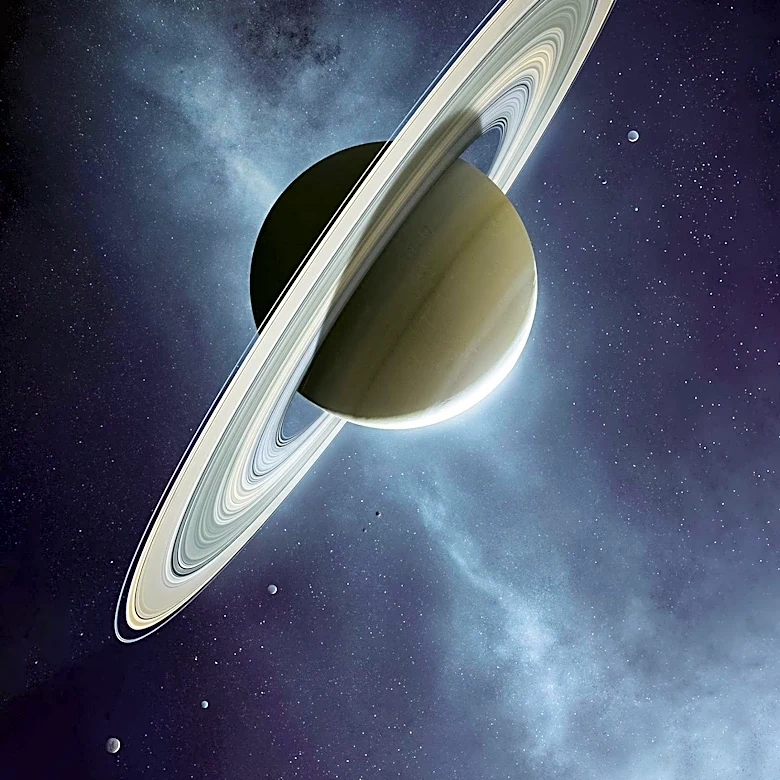
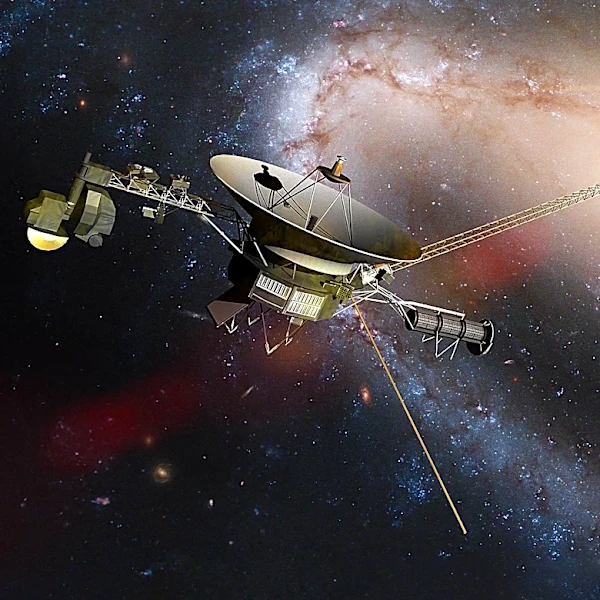
On September 5, 1977, NASA launched the Voyager 1 spacecraft from Cape Canaveral, Florida, initiating an extensive mission to explore the outer solar system. Initially, Voyager 1 focused on flybys of Jupiter in March 1979 and Saturn in November 1980. Following its encounter with Saturn, the spacecraft altered its trajectory, heading out of the solar system. In 2012, Voyager 1 became the first human-made object to reach interstellar space, a significant milestone in space exploration. It continues to operate and collect data, though its power output has diminished over the decades, leading NASA teams to gradually shut down non-essential instruments to conserve energy. As of now, Voyager 1 is approximately 15.9 billion miles (171.6 astronomical units) from Earth and remains NASA's farthest-flung active mission. The spacecraft carries a golden record containing sights, sounds, and greetings from Earth, intended for any intelligent life it might encounter in approximately 40,000 years when it is projected to f...