Astronomers Detect Potential Second-Generation Planet Orbiting White Dwarf HS 0209+0832 Using Hubble Data
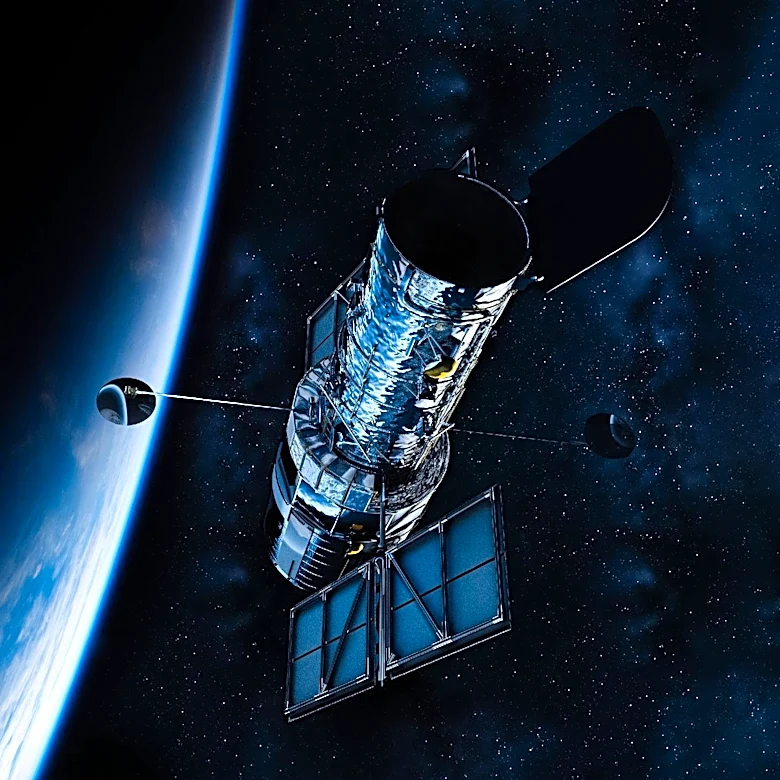
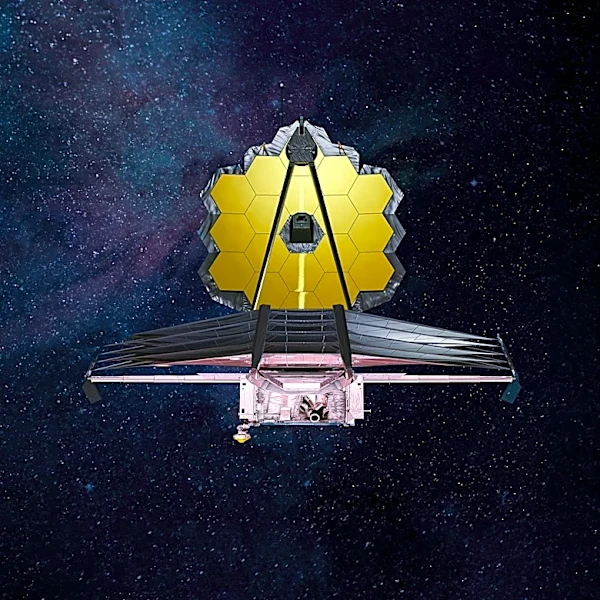
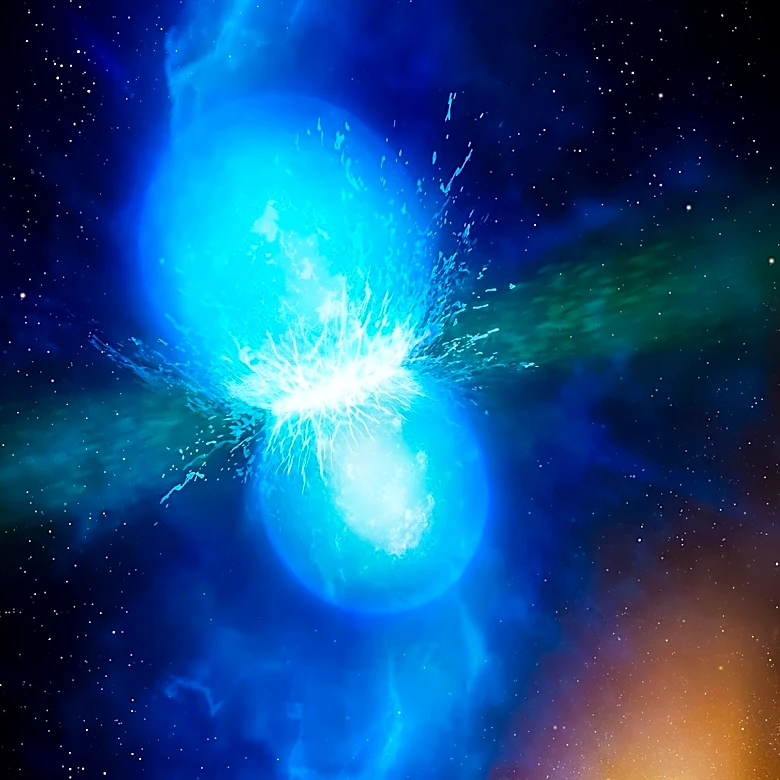
Astronomers have identified what could be the first known second-generation planet, a Jupiter-like celestial body, orbiting the white dwarf star HS 0209+0832. This discovery was made by reanalyzing 25-year-old data from NASA’s Hubble Space Telescope, prompted by the white dwarf's unusual atmospheric composition. The star, located approximately 270 light-years away in the constellation Cetus, exhibits an atmosphere rich in elements such as zinc, copper, aluminum, silicon, titanium, and notably, niobium, which is present at levels over 1000 times that found in our Sun. Researchers from the University of Warwick-led team, whose findings were published in Nature Astronomy, propose that this planet formed from the debris expelled by the dying star. This marks a significant milestone as it is the first time a planet has been detected forming from the remnants of a stellar body, challenging previous astrophysical debates about the possibility of such formations. The putative planet is estimated to orbit HS 0209+0...