Researchers Discover Key Protein Controlling Plant Cell Growth, Implications for Human Health
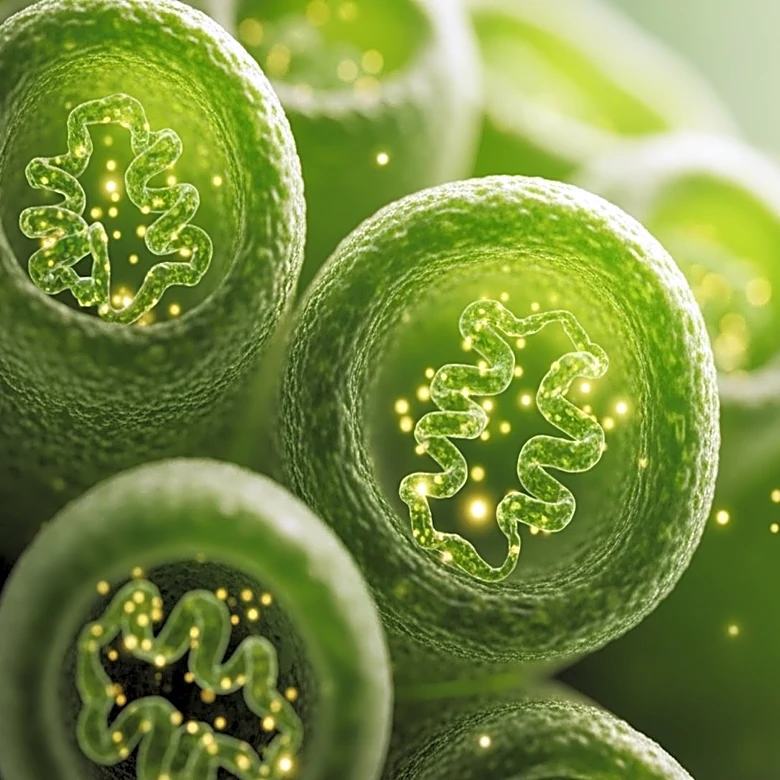
Researchers at Rice University have identified a protein, PEX11, that plays a crucial role in controlling the size of peroxisomes in plant cells. Peroxisomes are membrane-bound compartments that help break down fatty acids, a process vital during the early stages of plant growth when photosynthesis is not yet possible. The study, published in Nature Communications, reveals that PEX11 not only aids in the division of peroxisomes but also regulates their expansion and contraction during the seed to seedling transition. Using advanced CRISPR techniques, the research team, led by Bonnie Bartel and Nathan Tharp, manipulated the genes responsible for PEX11 production. They discovered that disrupting these genes led to abnormal peroxisome growth, providing insights into the protein's function.