Rutgers Expert Raises Concerns Over Youth Reliance on AI for Mental Health Advice
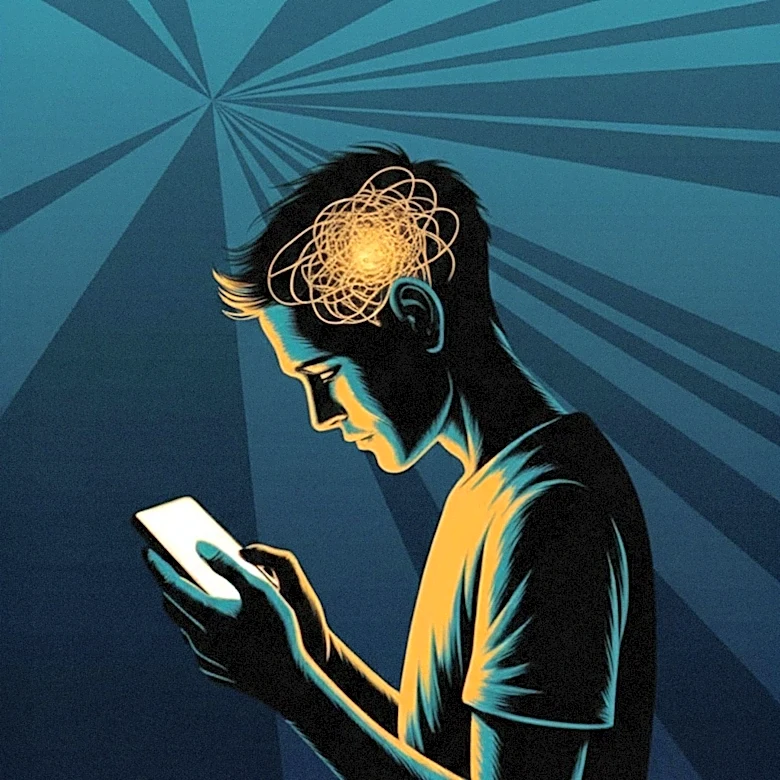
Approximately 8.2 million U.S. adolescents and young adults, nearly one in five, are utilizing artificial intelligence (AI) for mental health information, according to a RAND survey. As AI chatbots like ChatGPT and Gemini become prevalent sources of emotional support, mental health professionals, including Hannah Simon, a child and adolescent psychiatrist and medical director at Rutgers' Brandt Behavioral Health Treatment Center, are expressing concerns. Simon highlights that these AI applications lack the clinical acumen required to navigate complex mental health conditions and can pose risks. While AI offers immediate, 24/7, and anonymous access to information, it can provide inaccurate or misleading diagnoses and reinforce negative psychiatric symptoms through excessive reassurance, potentially hindering genuine therapeutic progress.