Historical Analysis: Japan's Strategic Motivations for Attacking Pearl Harbor
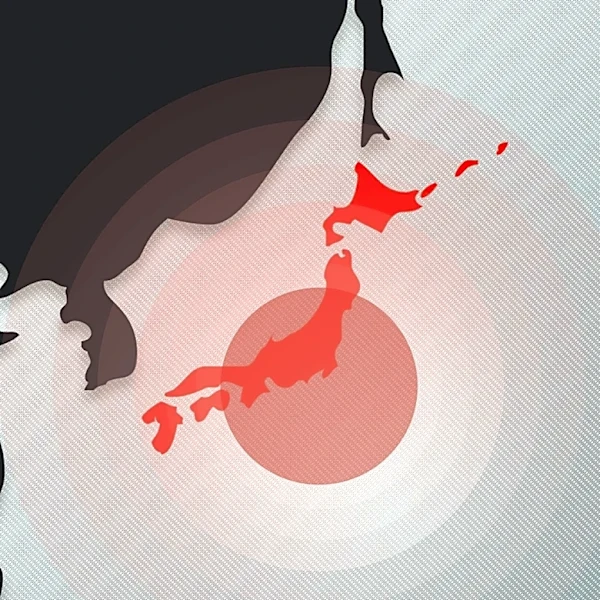
On December 7, 1941, Japan launched a surprise attack on the US naval base at Pearl Harbor, Hawaii, marking a pivotal moment in World War II. The attack was driven by Japan's need for raw materials, particularly oil, to support its imperial ambitions in the Pacific. The US had imposed economic sanctions, including an oil embargo, which severely restricted Japan's access to essential resources. Japan's military government, seeking to expand its empire, viewed a preemptive strike on the US Navy as a means to secure dominance in the Pacific. Despite the attack's initial success, it failed to destroy key US assets, such as aircraft carriers, allowing the US to eventually recover and defeat Japan.