Smart Home Automation Defined by Integrated Residential Technology Systems
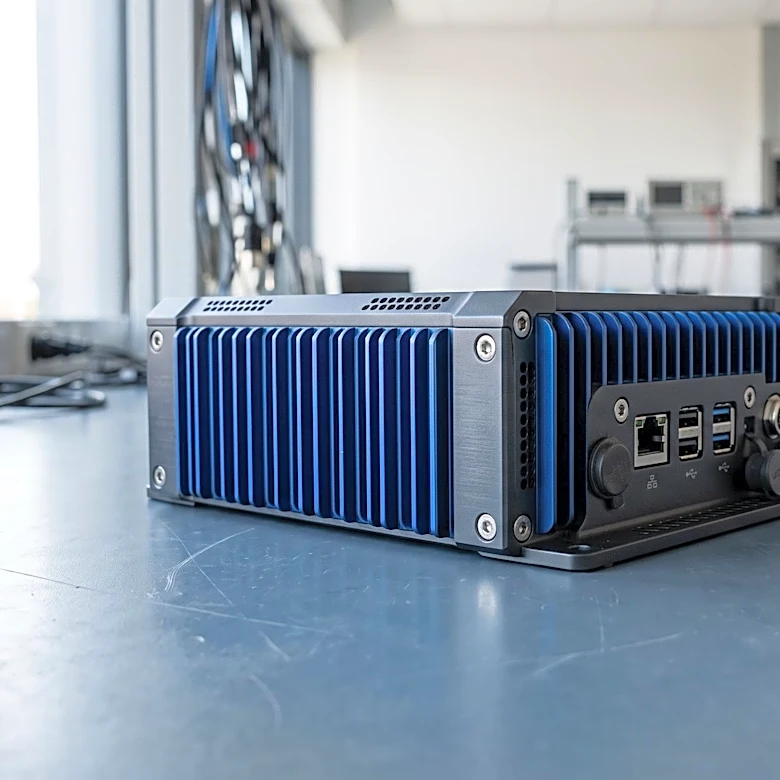
Smart home automation is characterized as a residential technology system designed to monitor, control, and coordinate household devices either automatically or remotely. This system relies on connected devices, sensors, and predefined rules, often utilizing a central hub, to enable a home to respond to schedules, environmental conditions, or user commands. The core functionality involves a chain of events: a trigger (e.g., motion, a scheduled time) initiates a process, a controller or hub checks specific conditions (e.g., darkness, occupancy), and then an actuator (a device like a light bulb or thermostat) performs a physical action. This allows for routines such as turning on lights after sunset when someone enters a room or adjusting climate control based on window status. Key components include controllers, gateways, smart devices (thermostats, locks, cameras), and various sensors for motion, temperature, and leaks.