Benin Bronzes Repatriation Efforts Intensify Amidst Shifting Western Art Market Dynamics
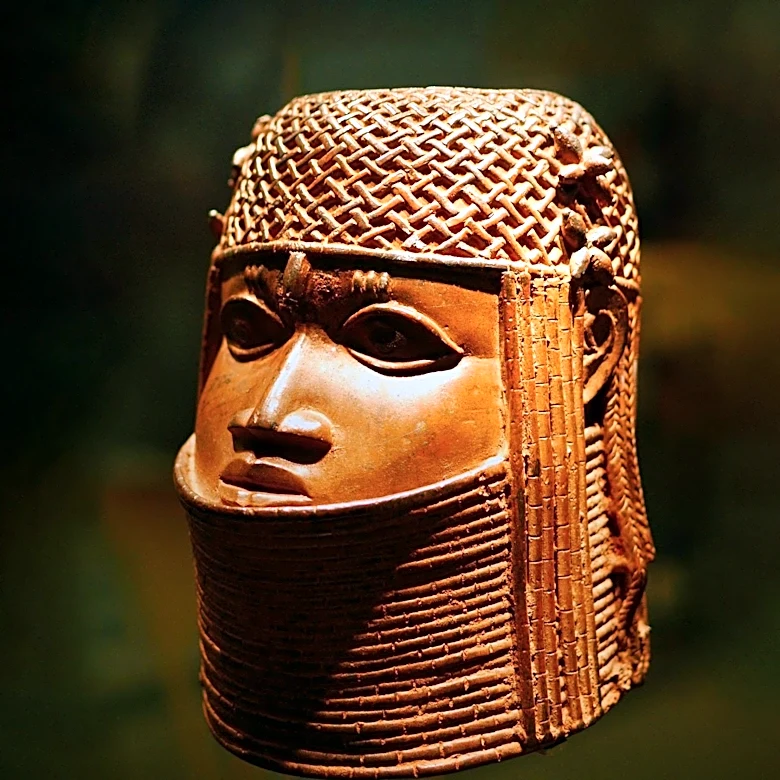
The debate surrounding the repatriation of Benin Bronzes is intensifying, with a growing focus on their historical context and market evolution. These artworks, originally from Benin City, now Nigeria, were largely plundered during the 1897 British attack. Initially viewed as colonial trophies and later as aesthetic inspirations for Western artists like Pablo Picasso and Jacob Epstein, they are now central to decolonial discourse. Institutions such as the Smithsonian and the Museum of Fine Arts have begun repatriating pieces, highlighting the role of art dealers like John J. Klejman and William Downing Webster in their circulation. The market value of these bronzes has dramatically increased, with an example of a Benin head purchased for £230 in 1951 selling for £10 million in 2016. Despite legal complexities, including the British Museum Act of 1963, which restricts deaccessioning, efforts for restitution are gaining momentum, driven by ethical considerations and sustained advocacy from Nigerian officials...