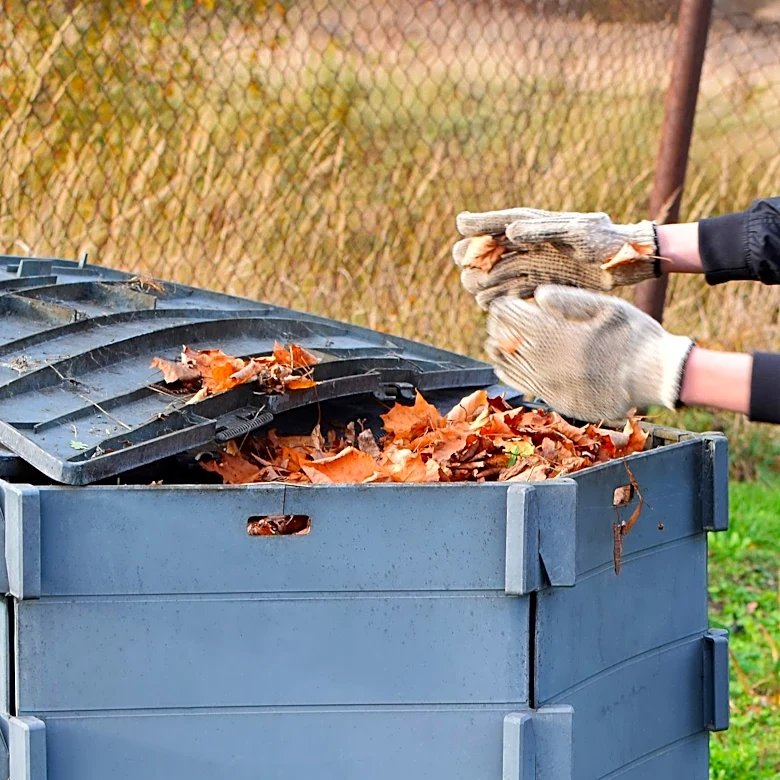
Massachusetts Residents Encouraged to Adopt Home Composting to Reduce Waste and Save Costs
The Massachusetts Department of Environmental Protection (MADEP) is actively encouraging residents to engage in home composting, highlighting its environmental and financial benefits. Food waste constitutes nearly 25% of Massachusetts' trash, with significant amounts also contaminating recycling bins, particularly in areas like Pembroke. Composting offers a sustainable alternative, transforming organic material into nutrient-rich soil rather than contributing to landfill waste. This practice can lead to financial savings for households by reducing municipal waste bills, decreasing the need for purchased soil and fertilizers, and mitigating the approximately $2000 per year that the average household wastes on discarded food, according to the South Shore Recycling Cooperative (SSRC). Residents can start composting with low-cost methods, such as setting up a system in a well-drained, shady yard area, or by investing in kitchen composters for limited spaces. Effective composting requires a mix of 'brown' carbo...