Research Highlights Sperm Whales' Unique Sleep Strategy to Maintain Buoyancy
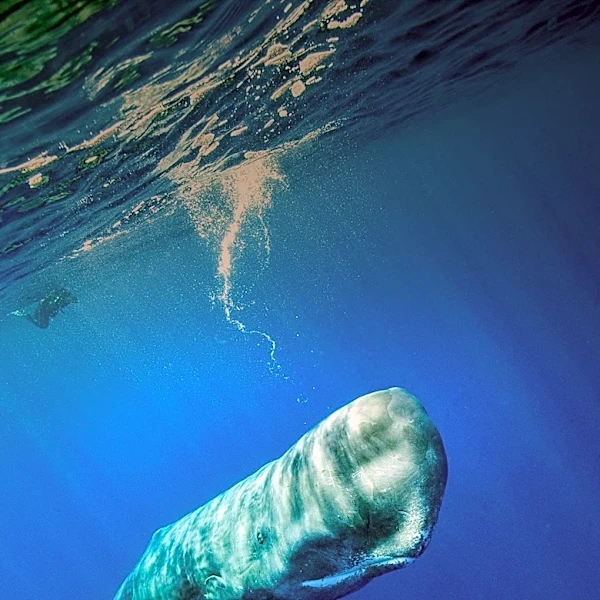
Recent research has uncovered fascinating insights into the sleep behavior of sperm whales, the largest toothed whales on the planet. These marine mammals, which must consciously breathe, cannot sleep like humans as they would risk drowning. Instead, they likely engage in unihemispheric sleep, where one half of the brain remains active while the other rests, similar to dolphins. This allows them to remain vigilant to potential threats. The study, published in the Journal of Experimental Biology, reveals that sperm whales manage their buoyancy during rest by releasing bubbles. This behavior helps them maintain their position in the water column, preventing them from unintentionally surfacing. Researchers tagged 42 sperm whales with devices to record depth and bubble sounds, confirming that bubble release aids in buoyancy control. The study suggests that whales resting closer to the surface release more bubbles compared to those at greater depths, where compressed air in their lungs reduces buoyancy.