Israeli Honey Production Declines Significantly Due to Shrinking Natural Habitats
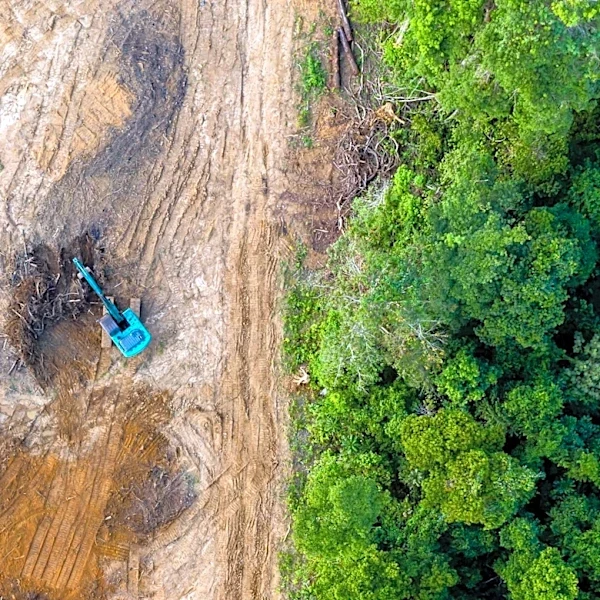
Israeli beehives are experiencing a dramatic reduction in honey yields, with production falling from an average of 50-80 kilograms per hive in earlier years to approximately 35 kilograms today. This decline is attributed to the accelerating loss of natural foraging areas, driven by urban development, road construction, and tree cutting. Kibbutz Yad Mordechai, a historical symbol of Israeli honey production, exemplifies this trend. Pioneer Lucia (Lusha) Friedman established the kibbutz's honey industry, which was later managed by Dolek Blonsky. Eitan Zion, who managed the apiary for 35 years, noted the significant decrease in available trees, flowers, and plants for bees. Beekeepers like Pini Nahmani, an 84-year-old former Israeli Air Force pilot, have observed the impact of new, less productive citrus varieties compared to the vast, high-yielding citrus groves of the past. Nahmani has personally planted thousands of trees to create new foraging areas for his bees.