Fossilized Skin Fragments from China Reveal Early Ecdysozoan Diversity
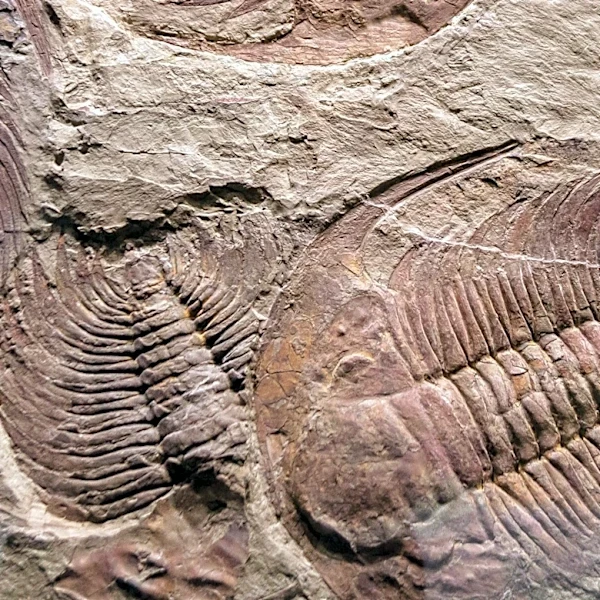
A new study published in the Journal of Micropalaeontology details the discovery of tiny fossilized skin and cuticle fragments from the lower Cambrian Yanjiahe Formation in southern China. These microfossils, dating back approximately 535 million years, provide an intimate glimpse into the early evolution of ecdysozoans, a group that includes insects, crabs, and roundworms. Researchers, led by Lei Zhang of Chengdu University of Technology, extracted these fragments from phosphatic dolostone, revealing six distinct forms representing at least four ecdysozoan taxa. The preservation style, known as Orsten-type, allowed for three-dimensional replication of delicate cuticular surfaces down to subcellular scales. The findings indicate that these early ecdysozoans were already experimenting with diverse body plans, including sac-like forms, vermiform worms, and appendage-bearing panarthropods, during the initial phase of the Cambrian explosion. The presence of spines and sclerites suggests their adaptive importan...