AI-Powered Wearable Devices Show Promise in Predicting Sedentary Behavior for Chronic Pain Patients
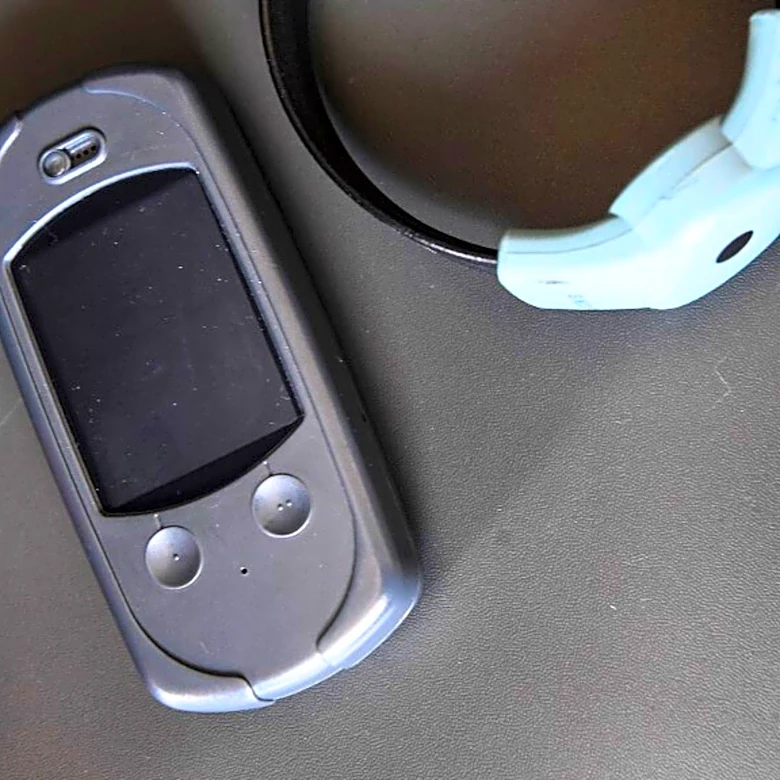
Researchers at the Icahn School of Medicine at Mount Sinai have conducted a study exploring the feasibility of using AI with wearable devices to predict prolonged periods of inactivity in women with chronic pelvic pain. The study, published in the journal Women’s Health, involved 134 women with chronic pelvic pain and 61 healthy women as a control group. Participants wore Fitbit devices for up to 90 days, collecting minute-by-minute data on physical activity, heart rate, steps, and sleep patterns. The research team developed personalized forecasting models to predict activity levels one hour in advance, aiming to identify 15-minute windows for 'exercise snacks'—short activity breaks. Lead author Jannes Jegminat, PhD, noted the surprising effectiveness of simpler AI models in forecasting sedentary behavior, suggesting that complex AI is not always necessary. The study's primary goal was to determine if wearable devices could act as an early-warning system for prolonged sitting, allowing for timely, personal...