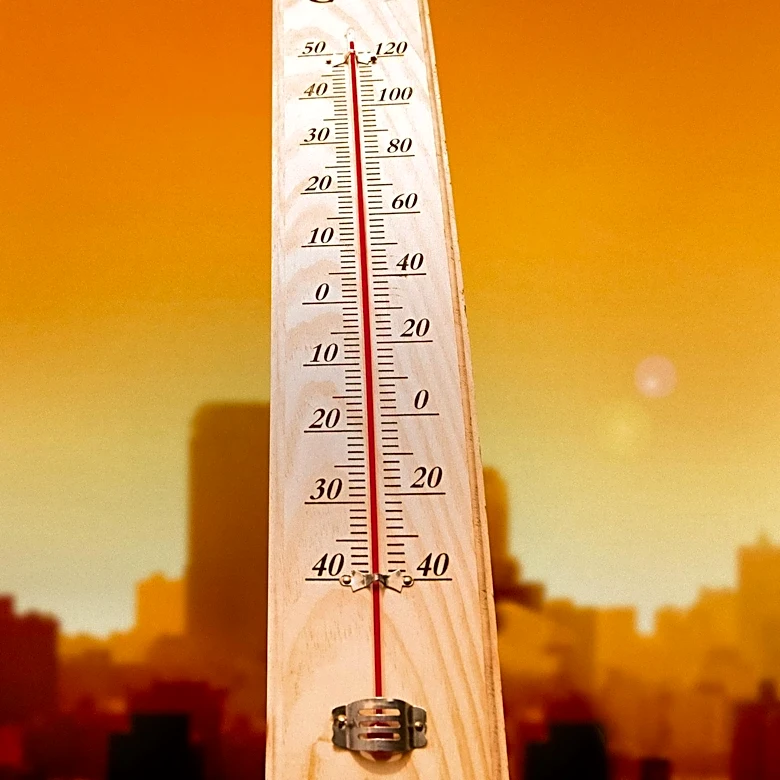
Hot Nights in Europe Impact Sleep and Health, Study Reveals
A recent study, utilizing data from the Copernicus Climate Change Service, indicates that nights in Europe are warming at an accelerated rate, significantly impacting sleep quality and overall health. Since the 1970s, the minimum 'feels-like' temperature during the ten warmest nights of the year has increased by 0.32°C per decade globally. This measure, known as the Universal Thermal Climate Index (UTCI), accounts for temperature, humidity, wind, and radiation. Concurrently, the number of 'tropical nights,' where temperatures do not drop below 20°C, has risen by approximately two nights per decade. Researchers emphasize that this trend is critical because hot nights reduce the body's ability to recover from daytime heat. The occurrence of 'compound heat events,' characterized by hot days followed by hot nights, has increased by 73% in Europe since the 1970s. During sleep, the body typically lowers its heart rate, physiological activity, and core temperature to facilitate recovery of the nervous, immune, an...