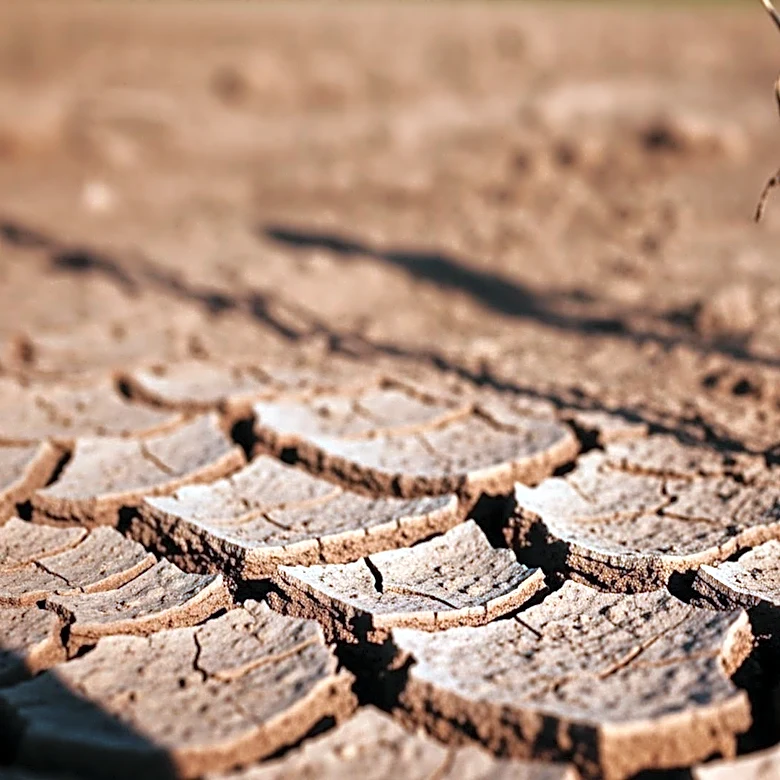
Persistent Drought Continues to Affect Southern U.S. Agriculture
The Southern United States is experiencing severe and extreme drought conditions, exacerbated by a semi-permanent high-pressure system known as the Bermuda High. This system has anchored itself over the Southeast, leading to prolonged dry weather since last fall and winter. While some areas have benefited from the dry conditions, allowing for smooth planting of summer crops like rice, corn, and soybeans, other regions are struggling with insufficient soil moisture, impacting winter crops such as wheat and canola. Farmers are resorting to irrigation much earlier than usual, and the lack of rainfall is causing dust clouds reminiscent of the Dust Bowl era. Meteorologist Ryan Vaughan noted the uneven distribution of rain, with some areas receiving up to 2 inches while others received less than half an inch. The long-term forecast remains uncertain, though there are hints of potential rainfall relief in early May.