Nebraska Prairies Undergoing Significant Ecological Transformation
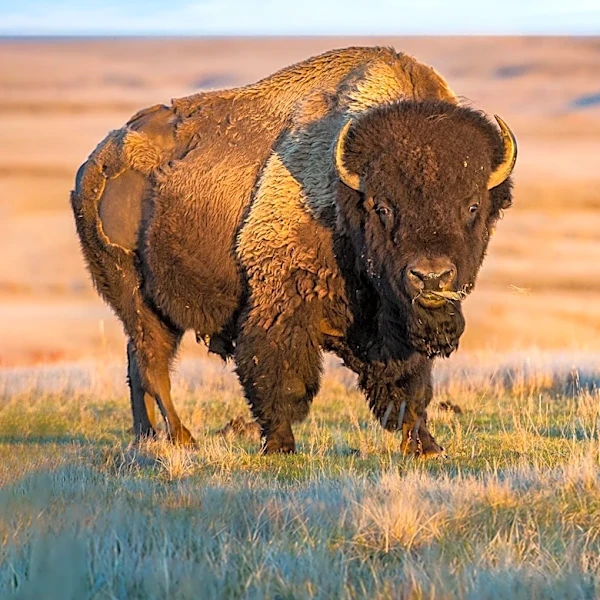
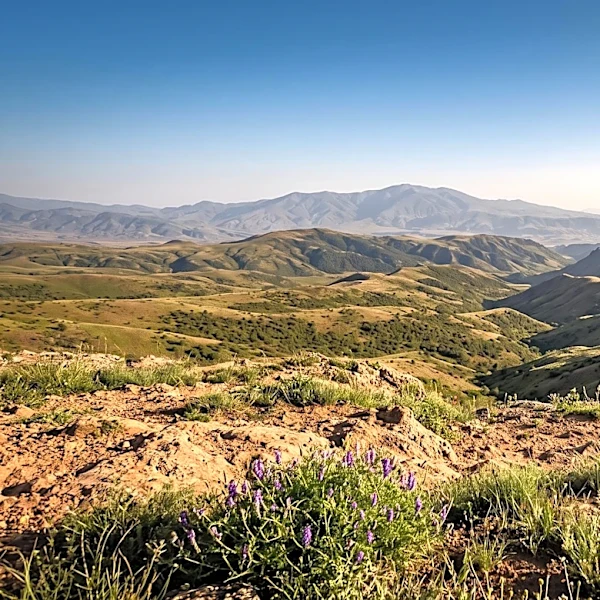
Nebraska's prairies are experiencing a fundamental shift in their ecosystem, driven by factors such as rising CO2 levels and increased atmospheric nitrates. Historically, Nebraska was 98% prairie, but agricultural development, urban expansion, and heavy grazing have significantly reduced its native ecosystem. Experts note that new conditions favor woody and invasive species, altering the traditional prairie landscape. Conservation efforts continue to manage and restore remaining prairies, but the changing climate presents new challenges. The state's diverse prairie types, including Sandhills, shortgrass, tallgrass, and mixed-grass prairies, each face unique pressures. For instance, the Sandhills prairie, covering roughly 19,300 square miles in north-central Nebraska, supports nearly 700 native plant species and numerous wetlands due to the high water table from the Ogallala Aquifer. The eastern tallgrass prairie, receiving the most precipitation, is dominated by species like big bluestem and Indiangrass, w...