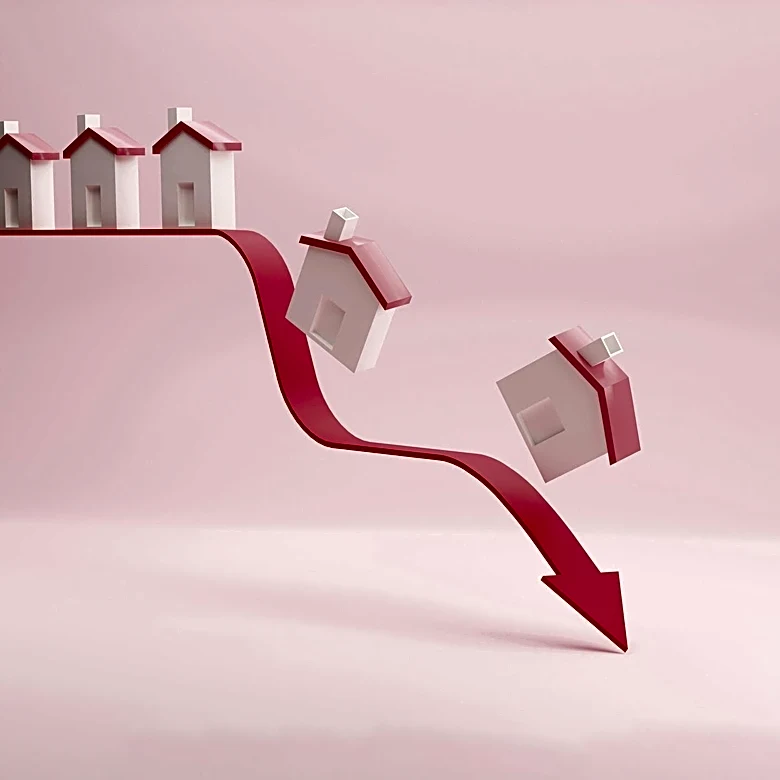
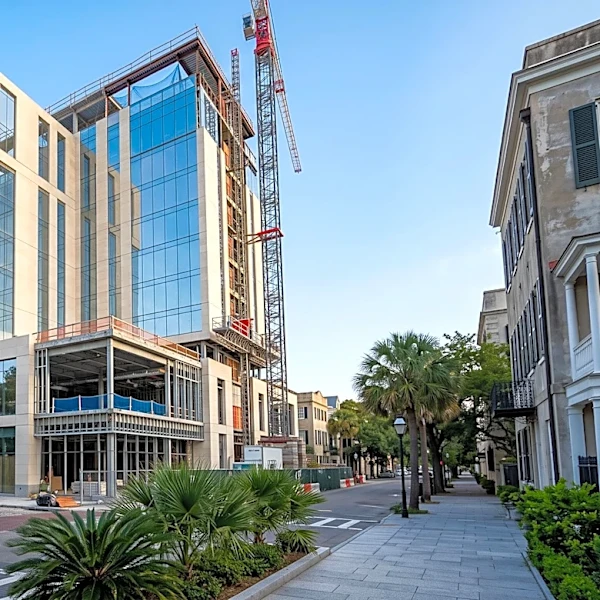
Raleigh Housing Reforms Lead to Significant Rent Decrease Amid Population Growth
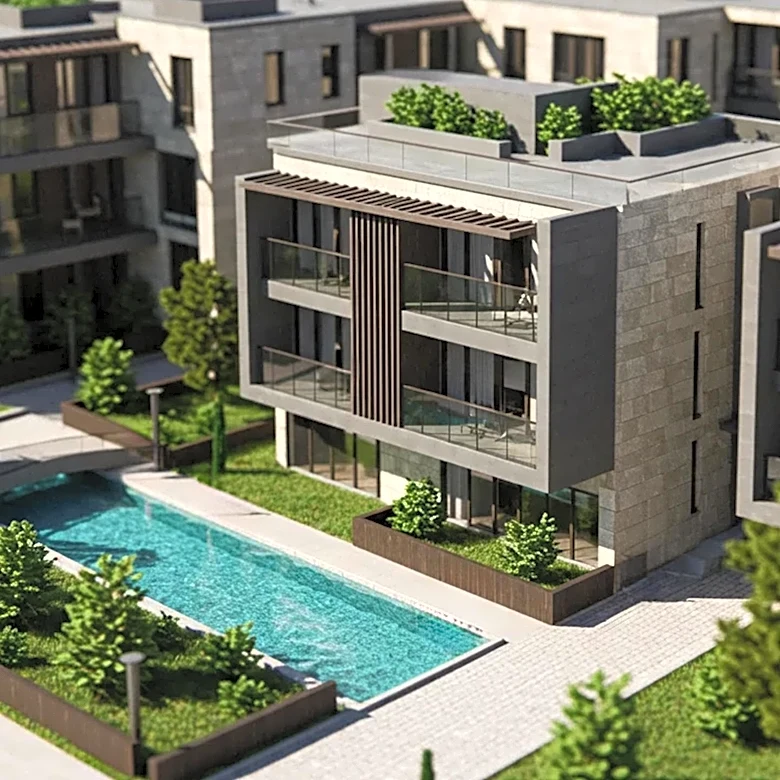
Raleigh, North Carolina, has experienced a 15% decrease in inflation-adjusted rents between 2022 and 2025, following comprehensive land-use policy reforms enacted in 2021 and 2022. These reforms were a direct response to a 38% rent increase from 2017 to 2022, driven by a 10% population surge. The city's planning and development director, Patrick Young, highlighted that restrictive zoning regulations were the most controllable factor in housing costs. The policy changes included overhauling zoning to focus on form rather than density, enabling the construction of townhomes, plexes, and tiny homes, allowing more apartments near transit, and eliminating citywide parking minimums. As a result, housing production jumped 74% from an average of 3,301 units annually (2017-2020) to 5,731 units annually (2021-2024). This increase significantly outpaced the rest of North Carolina and the U.S. in housing stock growth. The city also passed an $80 million housing bond in 2020 to fund affordable housing initiatives.