Researchers Discover Deepest Whale Necropolis, Unveiling 5.3 Million Years of Marine Life
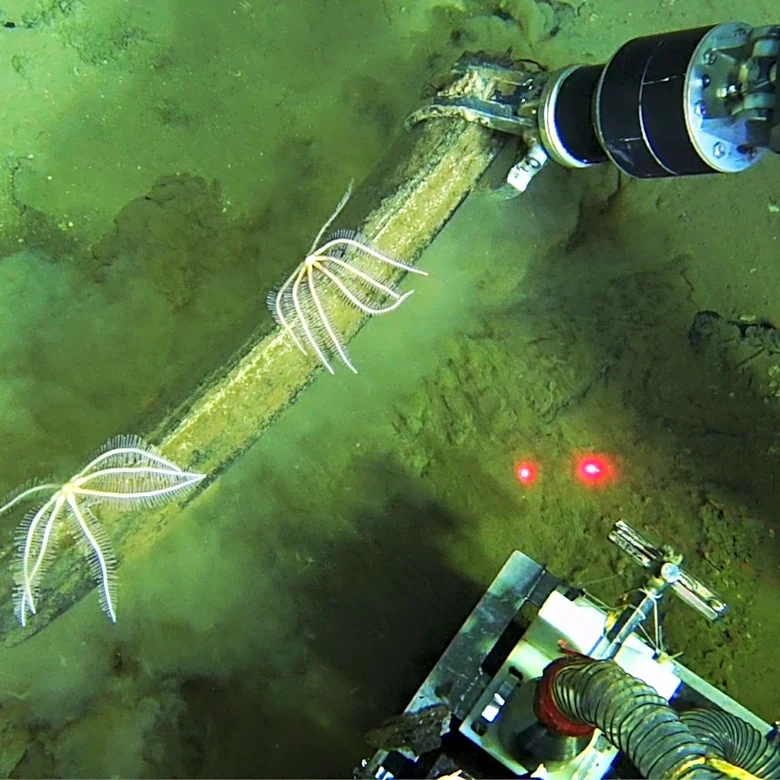
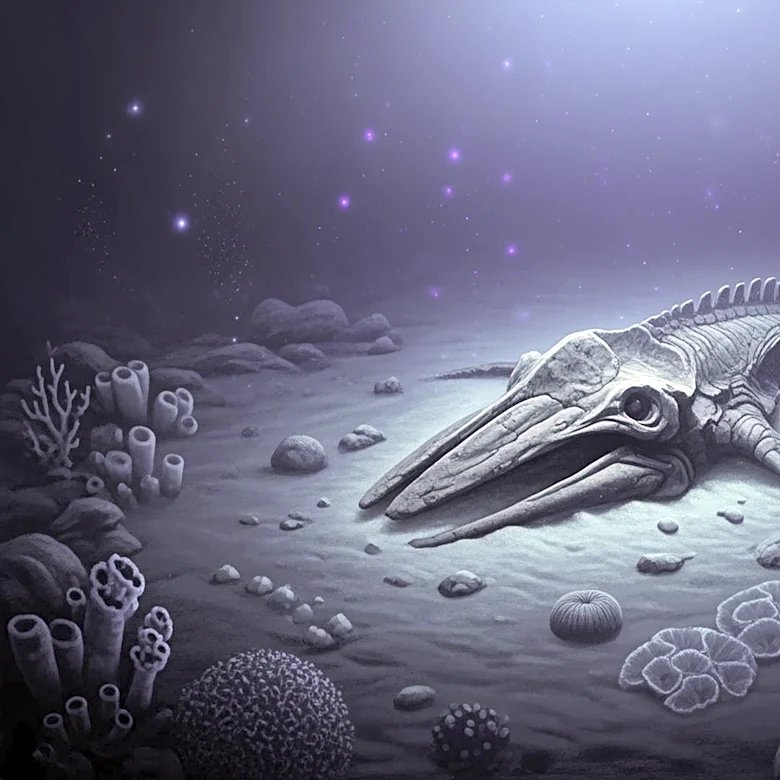
Researchers from the Institute of Deep-sea Science and Engineering (IDSSE) have uncovered the world's deepest and largest aggregation of whale fossils and active whale-fall ecosystems in the Diamantina Zone of the southeastern Indian Ocean. This site, referred to as a 'whale necropolis,' contains evidence of cetacean falls for at least 5.3 million years. The study, published in Nature, extends the known depth range of whale-fall ecosystems to nearly 7,000 meters. The discovery includes a large number of whale remains, with a density reaching up to 759.5 individuals per square kilometer, suggesting the presence of over 10 million whale carcasses. This represents a significant carbon sink, with approximately 6.7 million tons of sequestered carbon. The findings provide new insights into the evolution and dispersal of deep-sea life and the role of whale falls in carbon sequestration.