Johns Hopkins Study Reveals Arm Position Affects Blood Pressure Readings, Impacting Diagnosis
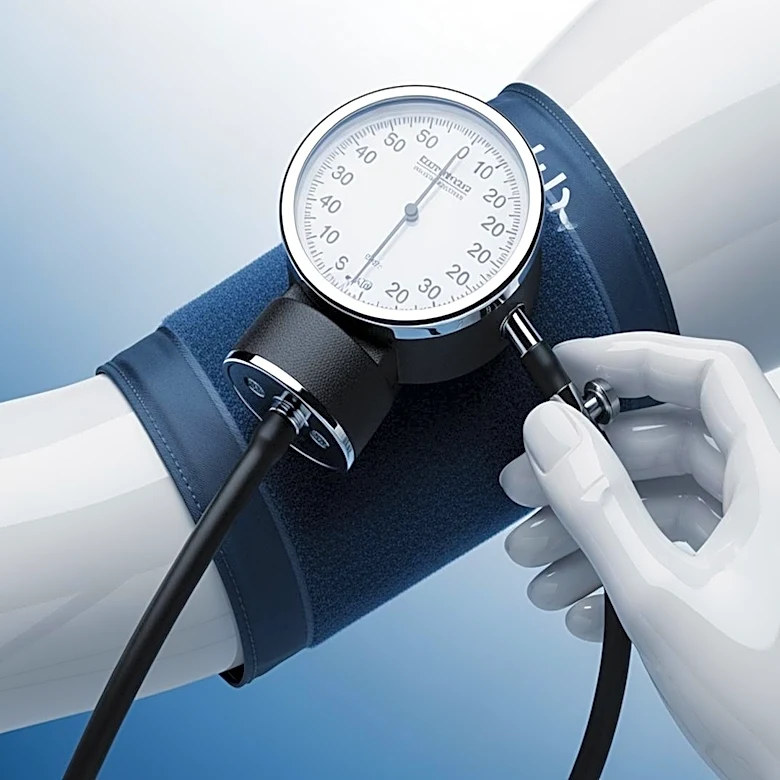
A recent study conducted by scientists at Johns Hopkins University has highlighted the significant impact of arm positioning on blood pressure readings. The research, published in JAMA Internal Medicine, found that even minor deviations in arm position during blood pressure measurement can lead to significant differences in readings. The study involved 133 participants aged 18 to 80, who were subjected to blood pressure measurements in various arm positions, including desk-supported, lap-rest, and side-dangling. Results showed that an unsupported arm could result in readings up to 6.5 mmHg higher than when the arm is properly supported. This discrepancy can lead to misdiagnosis, potentially categorizing a patient’s blood pressure as 'stage 2' hypertension when it might not be. The study emphasizes the importance of proper arm support to ensure accurate blood pressure readings, which are crucial for determining appropriate medical treatment.