Researchers Develop Sustainable Spirulina-Based Vitamin B12 Alternative to Reduce Environmental Impact
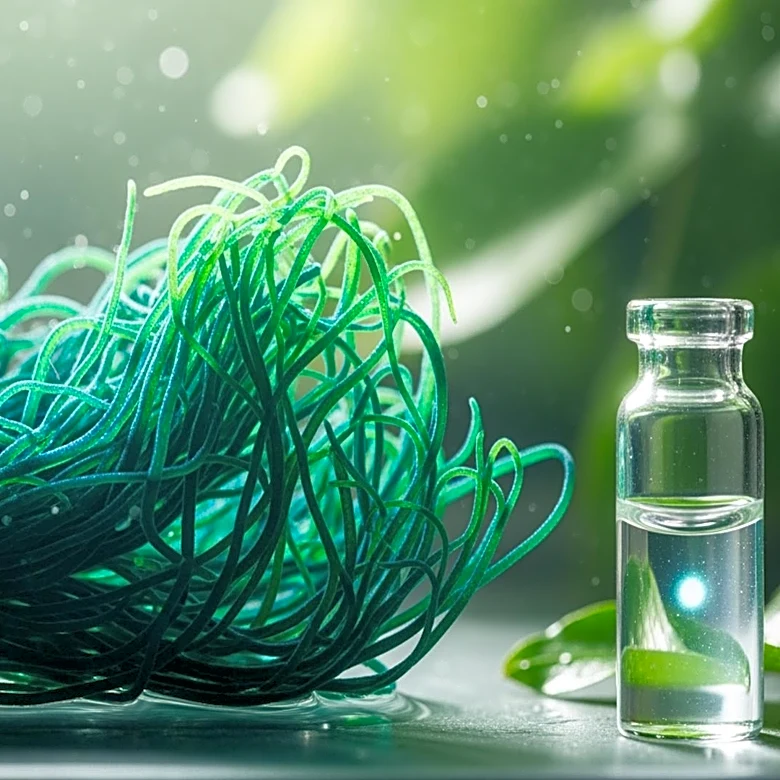
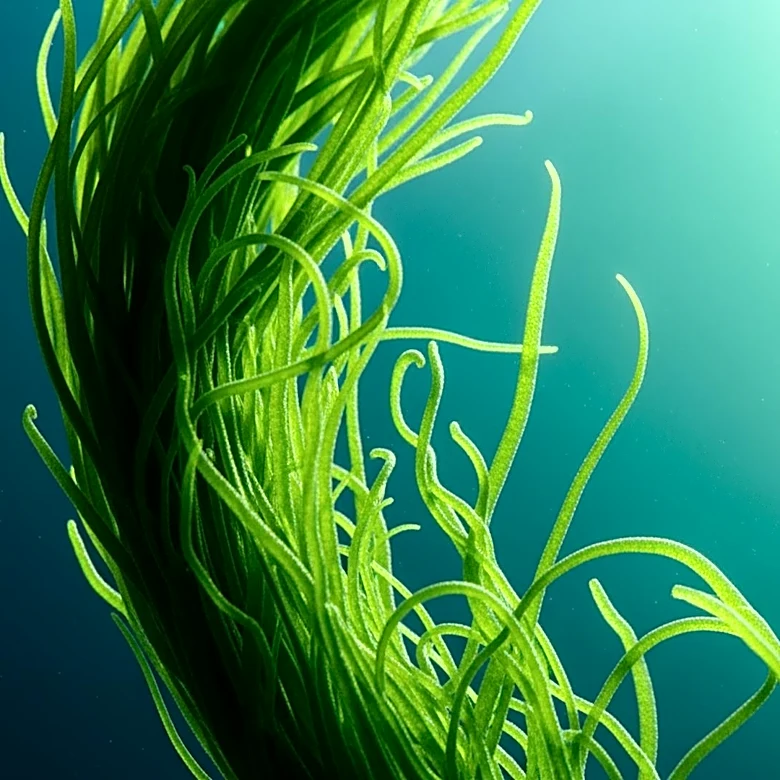
A recent scientific breakthrough has revealed that a specially cultivated form of Spirulina can produce biologically active vitamin B12, offering a sustainable alternative to traditional animal-based sources. This development, published in Discover Food, addresses the global issue of vitamin B12 deficiency, which affects millions and can lead to serious health problems. Traditional sources of B12 are primarily animal-based, contributing significantly to greenhouse gas emissions and environmental degradation. The new form of Spirulina, developed by researchers from Reichman University and collaborators from Iceland, Denmark, and Austria, is grown in a closed photobioreactor using renewable energy sources. This method allows the algae to produce bioavailable vitamin B12 without genetic modification, making it an environmentally friendly solution.