Six Major U.S. Reservoirs Reach Lowest Levels in 30 Years Amid Ongoing Drought
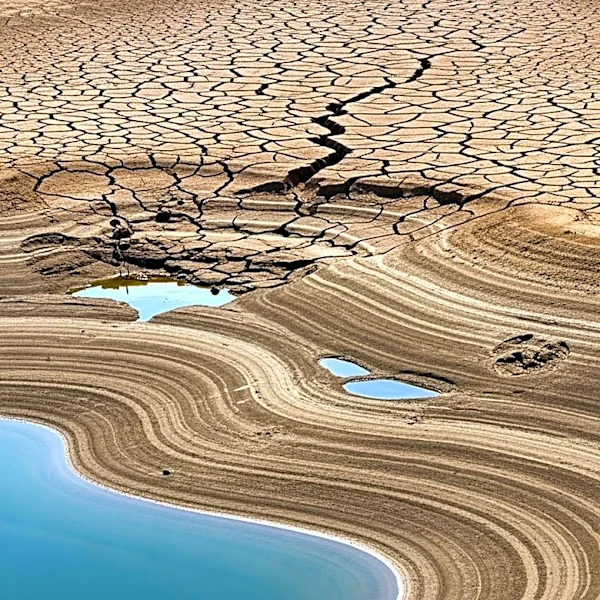
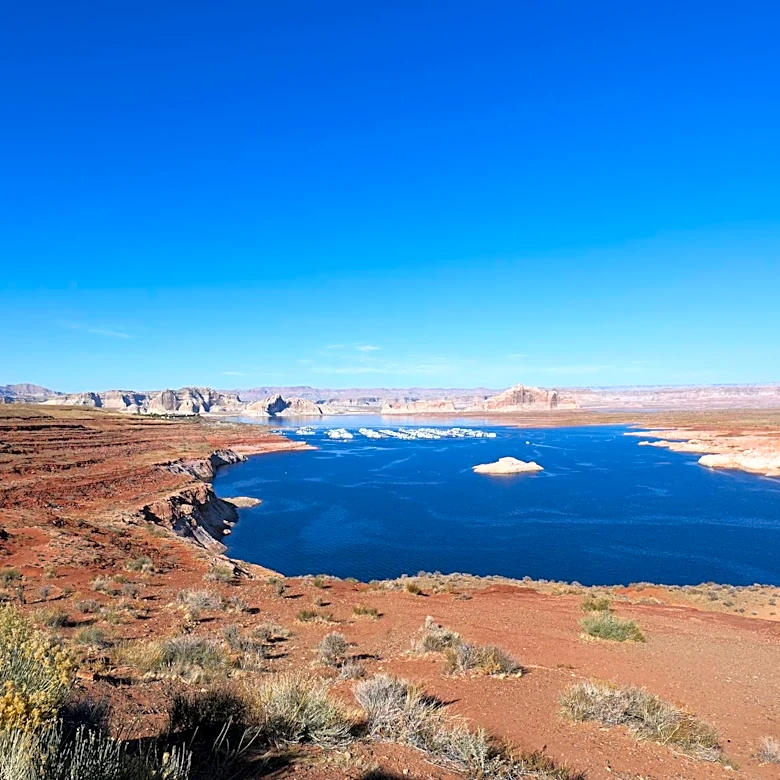
Six major U.S. reservoirs have reached their lowest levels in at least three decades for this time of year, according to federal data. The Bureau of Reclamation's reservoir storage dashboard, which tracks water levels at over 50 major sites, indicates that these reservoirs are experiencing significant strain due to persistent drought conditions. Notably, Lake Mead and Lake Powell, the two largest reservoirs in the Colorado River Basin, are under severe pressure, with Lake Mead at 49.2% and Lake Powell at 38.5% of their typical levels. The situation is exacerbated by a low snowpack season, which has resulted in reduced water flow into these reservoirs. The drought is affecting large portions of the West, Plains, South, and Southeast, leading to concerns about water shortages and increased energy demand.