Scientists Reclassify World's Oldest 'Octopus' Fossil as Nautiloid, Redrawing Evolutionary Timeline
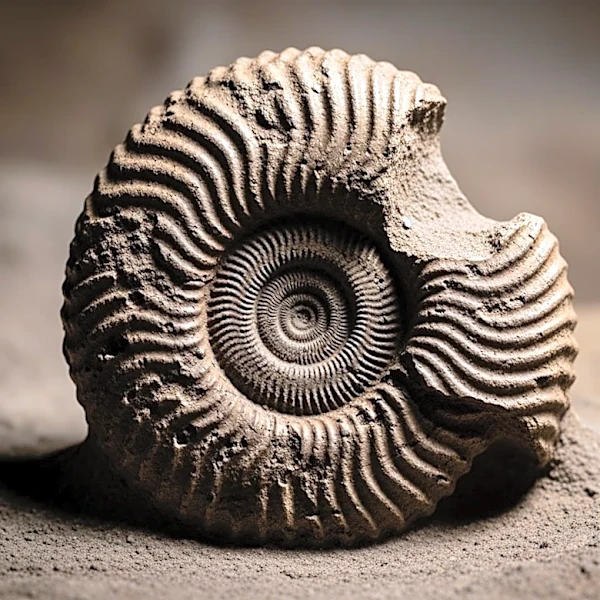
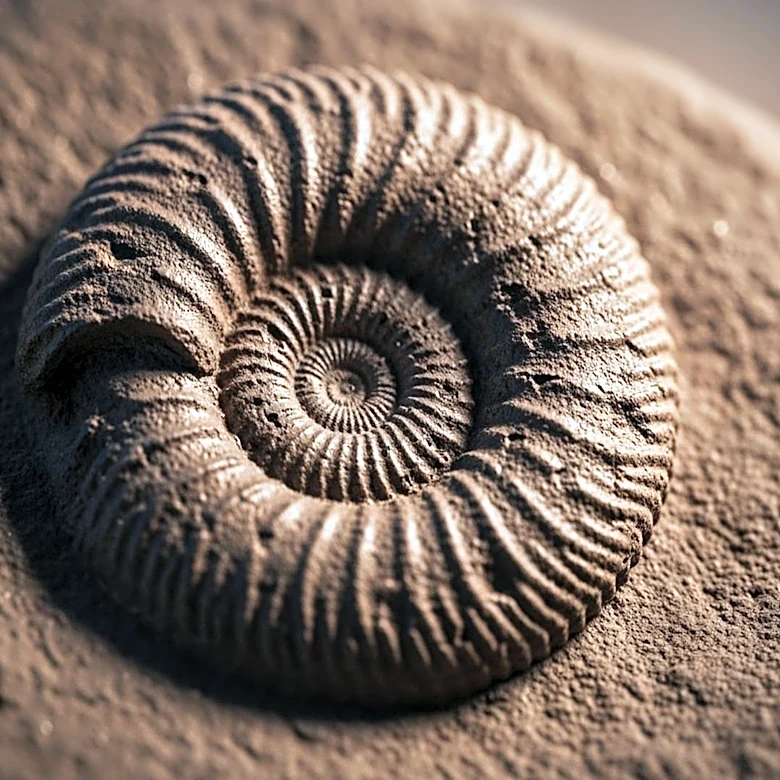
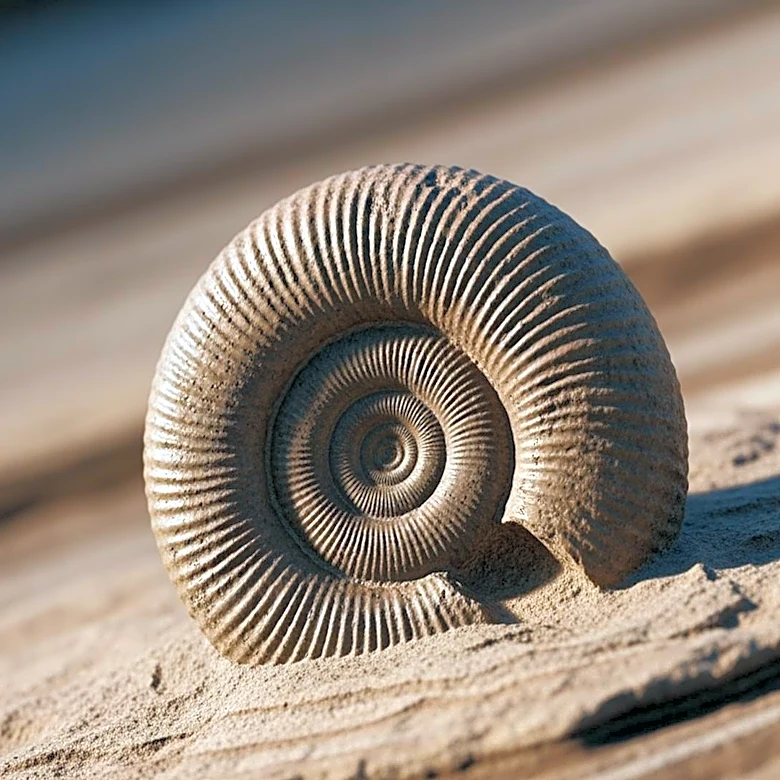
A fossil previously identified as the world's oldest octopus, Pohlsepia mazonensis, has been reclassified as a nautiloid, a shelled cephalopod related to modern nautiluses. This reclassification follows advanced synchrotron imaging that revealed tooth-like structures within the fossil, indicating it is not an octopus but a nautiloid. The fossil, discovered in Illinois in 2000, was initially thought to push the origin of octopuses back by 150 million years. However, the new findings suggest that the fossil's appearance was altered by decomposition before fossilization, leading to its misidentification. The research, published in the Proceedings of the Royal Society B, provides the earliest known example of preserved soft tissue from a nautiloid, significantly altering the timeline of cephalopod evolution.