Waste Management Practices Emphasize Prevention, Recycling, and Proper Disposal for Environmental and Public Health Benefits
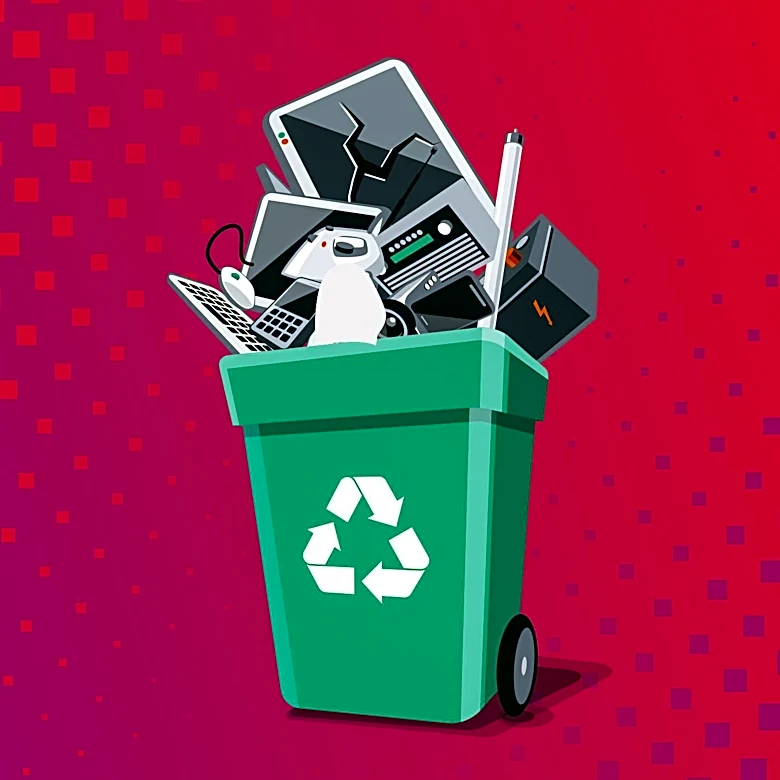
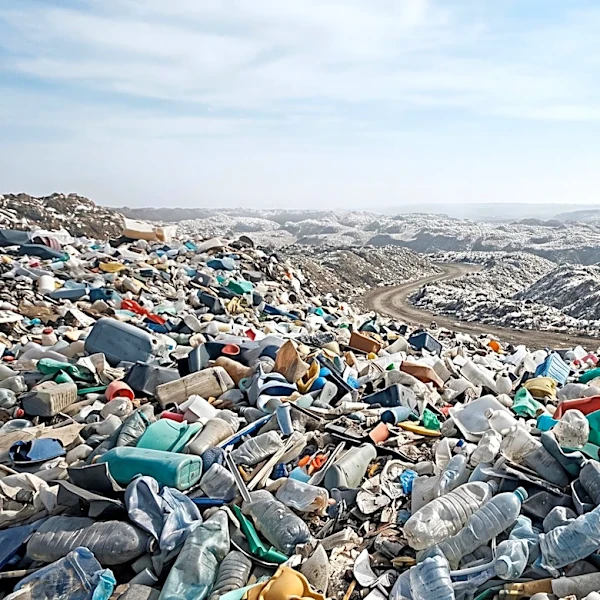
Effective waste management extends beyond simple rubbish collection, encompassing waste prevention, material sorting for recycling, product reuse, and appropriate treatment of discarded items. Improper waste management leads to significant environmental issues, including soil and water contamination from plastics and chemicals. Plastic pollution, in particular, poses a long-term threat as plastics break down into microplastics, harming wildlife and ecosystems. Landfills contribute to greenhouse gas emissions through methane production from decomposing organic matter. Additionally, hazardous waste like batteries and electronics requires specialized disposal to prevent environmental harm. Recycling plays a crucial role by recovering valuable materials such as aluminum, paper, glass, and certain plastics, reducing the need for virgin resources and conserving energy. However, the effectiveness of recycling depends on proper sorting and adherence to local guidelines, as contaminated materials can hinder the pro...