U.S. Supreme Court Justices Subject to Standard Criminal Proceedings, Unlike Brazilian Counterparts
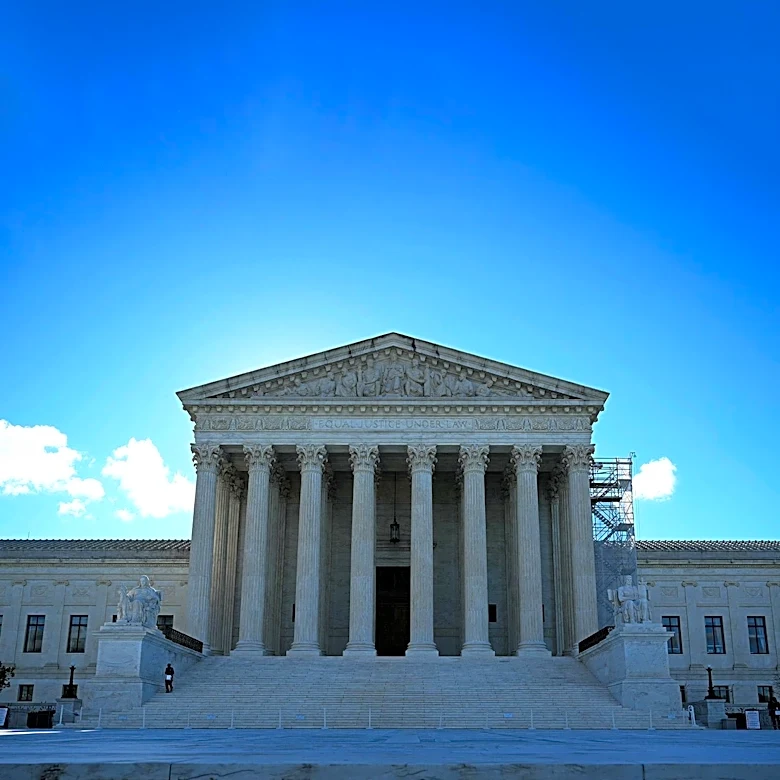
In the United States, Supreme Court justices, if accused of a crime, are typically processed through a court of first instance, similar to any other citizen. This contrasts sharply with Brazil, where the Supreme Federal Court (STF) itself is responsible for prosecuting and judging its own ministers. Richard Friedman, a law professor at the University of Michigan and an expert on the U.S. Supreme Court, explains that federal magistrates in the U.S. can be criminally prosecuted and convicted while still holding office. However, their removal from office requires a separate impeachment process initiated by the House of Representatives and subsequent conviction by the Senate. A notable case illustrating this is that of former Nevada federal judge Harry Claiborne, who was convicted of falsifying income tax returns in 1984 and served prison time but remained a judge until impeached by Congress in 1986. This system ensures that judges are not above the law they are tasked with upholding, a principle affirmed by t...