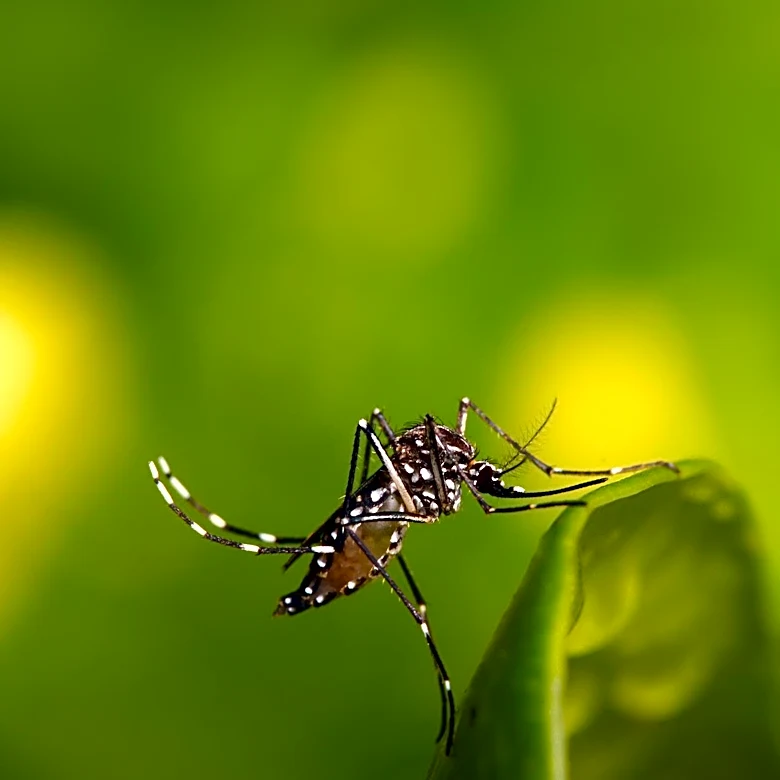
New Study Reveals Complex Wolbachia Patterns in Hawaiian Mosquitoes, Impacting Chikungunya and Dengue Control Efforts
A recent study published in the journal Parasites & Vectors has provided a detailed analysis of Wolbachia infection patterns in the Asian tiger mosquito (Aedes albopictus) across the Hawaiian Islands. This mosquito species is a significant vector for diseases such as dengue, chikungunya, and Zika viruses. The research, led by Sangwoo Seok and senior authors Eric P. Caragata and Yoosook Lee of the Florida Medical Entomology Laboratory at the University of Florida, found that Wolbachia is nearly universally present in Hawaiian Aedes albopictus populations, with 98.5% of tested mosquitoes infected. However, the composition of these infections is more complex than previously assumed. While every infected specimen carried the wAlbB strain, only 28.6% were superinfected with wAlbA, meaning the majority carry only a single Wolbachia strain. This finding deviates from the typical assumption of double infection for this species. The study also revealed sex-specific differences in infection dynamics, with females mo...