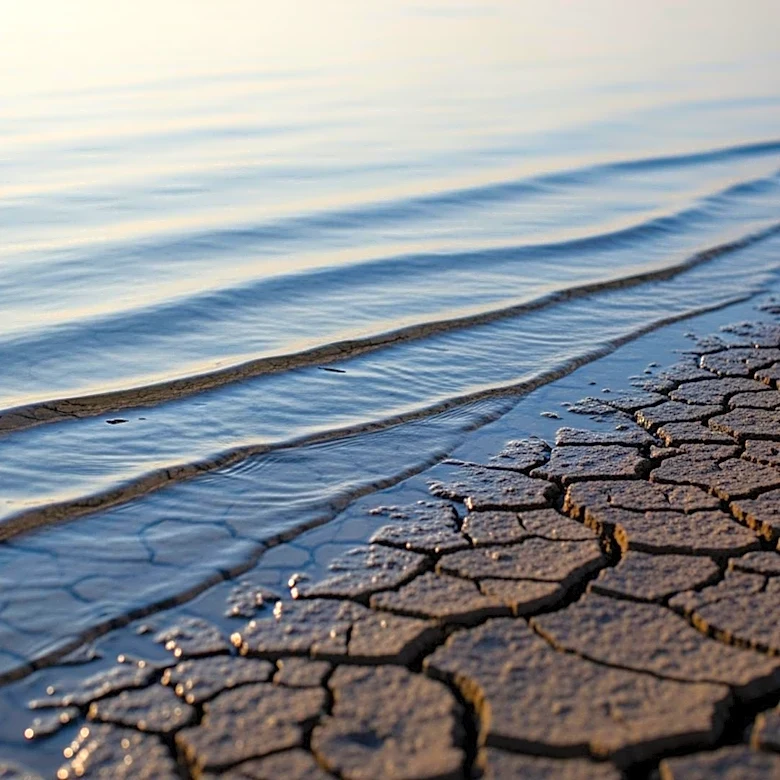
Rising Sea Levels Threaten U.S. Coastal Drinking Water with Increased Salinity
Rising sea levels, attributed to global warming, are causing seawater to infiltrate freshwater sources, leading to increased salinity in drinking water, particularly in U.S. coastal areas. This phenomenon is raising health concerns, as higher salinity levels in drinking water have been linked to increased blood pressure and a higher risk of hypertension. Coastal regions such as the Gulf Coast, Louisiana, and South Florida are particularly vulnerable. The issue is more pronounced in areas relying on shallow wells or groundwater, which are more susceptible to saltwater intrusion. Municipal water systems, which are subject to strict guidelines, may soon need to invest in treatment facility updates to manage the increased salinity. The situation is exacerbated by projections of sea levels rising by 7.2 feet by 2100, which could further increase salinity levels and associated health risks.